
Exclusive sales on ALL Dermal Fillers & Injectables!
More New Yorkers in their 20s and 30s are getting ahead of wrinkles before they form. Here's what preventative Botox actually involves and why timing matters.
You’re not panicking about aging. You’re just paying attention. Maybe you’ve noticed a faint line between your brows that doesn’t fully disappear when you relax your face. Maybe a friend mentioned they started Botox at 27 and you filed it away. Or maybe you’ve seen enough bad outcomes on other people that you want to understand what actually makes the difference before you do anything.
Whatever brought you here, you’re asking a smart question at the right time. This page covers what preventative Botox is, how it works, who it’s genuinely right for, and what you should know before booking anything — especially in a city like New York, where the options are everywhere and the quality varies wildly.
Preventative Botox is exactly what it sounds like — using small, precise doses of botulinum toxin to slow the formation of wrinkles before they become permanent features on your face. It’s not about erasing lines you already have. It’s about keeping the lines that are just starting from ever settling in.
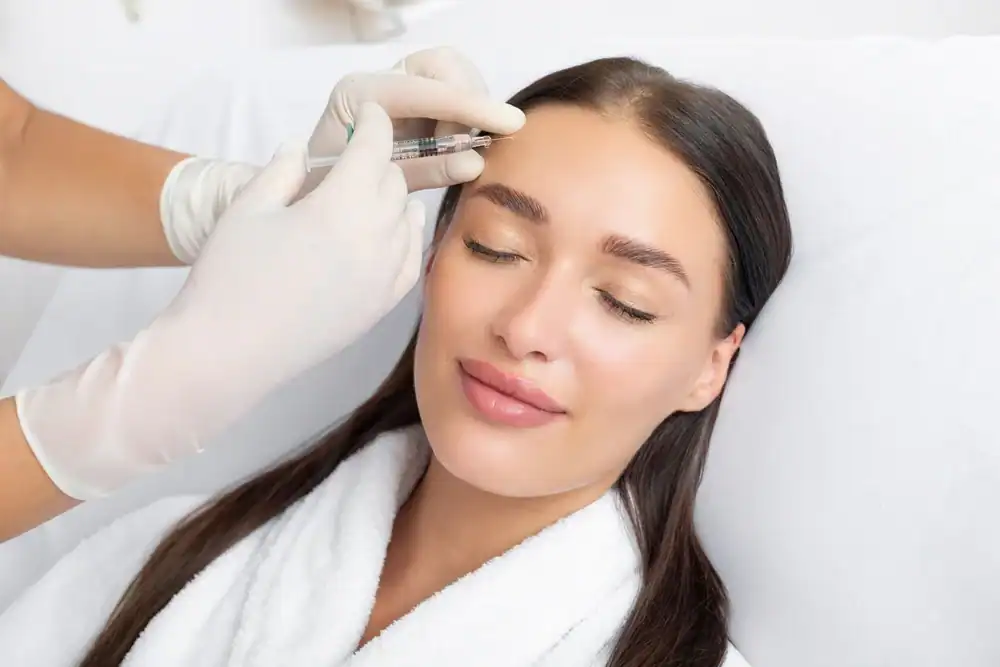
The mechanism is straightforward. Wrinkles form when the same facial muscles contract in the same patterns, over and over, thousands of times a day. Squinting on the subway, furrowing your brow in a meeting, raising your eyebrows when you’re surprised — these are normal expressions, but they’re also the direct cause of crow’s feet, forehead lines, and the 11s between your brows. Botox temporarily relaxes those muscles so the skin above them stays smooth instead of creasing repeatedly.
When you start early, the lines are still dynamic — meaning they only appear when your face is moving. That’s the ideal window. Once they become static — visible even when your face is completely at rest — they take significantly more to address.
The product is the same. What’s different is the goal, the timing, and the dose.
Regular Botox — the kind most people picture — is used to soften or reduce wrinkles that have already formed. That often means higher doses, more targeted placement, and a more corrective approach. The muscle activity has been going on for years, the lines are established, and the treatment is working against a more entrenched pattern.
Preventative Botox, sometimes called baby Botox, works with lighter doses applied earlier. Because the muscle activity hasn’t had decades to carve those lines into your skin, you don’t need as much product to interrupt the pattern. Treatments are typically less frequent, require fewer units, and cost less per visit than corrective treatment down the line. The math actually works in your favor when you start early.
There’s also a cumulative effect worth understanding. When the same muscles are consistently relaxed over time, many patients find they gradually need less product to maintain results. The habit — the reflexive squint, the unconscious brow furrow — gets quieter. Your face isn’t unlearning the expression, but the intensity of the movement softens. That’s a benefit you only get if you start before the damage is done.
It’s also worth being clear about what preventative Botox is not. It’s not a frozen face. It’s not a dramatic transformation. Done well, the people around you won’t be able to tell you’ve had anything done — they’ll just notice you look a little more rested, a little more relaxed. That’s the goal. A skilled injector uses the minimum effective dose to preserve your full range of expression while preventing the lines that repetitive movement causes. If you’ve ever seen someone who looked overdone or expressionless, that’s a technique problem — not a Botox problem.
There’s no single right age to start, and anyone who tells you otherwise is oversimplifying. The better question is: what does your face actually do?
If you’re in your mid-to-late 20s and you’re already seeing faint lines appear when you make expressions — lines that linger a little longer than they used to before your skin bounces back — that’s a signal worth paying attention to. You don’t need deep wrinkles to justify early treatment. In fact, waiting for deep wrinkles is exactly what preventative Botox is designed to help you avoid.
People in their early 30s are often in the sweet spot. The first signs of dynamic wrinkling are visible, but nothing has set in permanently. A conservative treatment plan at this stage can maintain smooth skin for years with relatively minimal intervention. It’s genuinely easier to prevent than to correct, and that’s not marketing language — it’s just how skin biology works.
A few factors that make someone a stronger candidate: highly expressive facial habits (people who talk with their eyebrows, for example), significant time spent squinting outdoors or in harsh lighting, a history of sun exposure, or a family history of early wrinkling. Living in New York City adds its own layer — the combination of cold, dry winters, humid summers, and year-round urban air pollution creates real environmental stress on the skin that accelerates the aging process compared to milder climates.
What matters most is an honest assessment from a qualified injector who will look at how your muscles actually move, where your skin is showing early stress, and what dose makes sense for your face specifically. That’s not something a quiz or a social media post can tell you. It requires a real consultation — which is why we offer them at no cost and with no obligation.
Want live answers?
Connect with a Dolce Aesthetics expert for fast, friendly support.
New York City has more aesthetic providers per square mile than almost anywhere in the country. That’s both a good thing and a genuinely risky one. The range of quality, training, and legal compliance across the city’s med spas and injection studios is enormous — and not all of it is obvious from a website or an Instagram page.
Before you book anywhere, there are a few things worth knowing. In New York State, only licensed physicians, nurse practitioners, and physician assistants are legally permitted to administer Botox injections. Estheticians, medical assistants, and LPNs cannot legally inject — regardless of what a provider’s website implies. That’s not a technicality. It’s a safety standard that exists because these procedures carry real risk when performed by undertrained hands.
The other thing to understand is what credentials actually mean in this space — because not all of them are equal.
Manufacturer rankings are one of the most reliable third-party signals in the injectable space. Allergan — the company that makes Botox — awards Top Provider designations based on volume, outcomes, and professional standards. These aren’t self-reported. They’re verified by the manufacturer. Merz Aesthetics, which makes Xeomin, has a similar tiered system. A provider who holds top designations from both manufacturers has demonstrated consistent, high-volume performance across a large patient base.
Years of experience matter too, but they need to be specific. “Experienced injector” is a phrase that tells you almost nothing. “18 years of injecting with thousands of procedures performed” is a number you can actually evaluate. So is “Allergan Top 250 nationally” — that means top-ranked out of every injector in the entire country, not just your zip code.
Medical oversight is another factor that’s easy to overlook when you’re comparing websites. In New York, a legitimate medical spa operates under physician supervision with established protocols for both treatment and any complications that arise. That’s not just a legal requirement — it’s a practical safeguard that matters when something unexpected happens, which in rare cases it can.
For patients in Brooklyn and Queens specifically, one thing that often surprises people is the quality available without making the trip to Manhattan. The assumption that better care requires a Fifth Avenue address isn’t accurate. What Manhattan prices often reflect is overhead — premium real estate, not premium skill. A nationally ranked injector with years of experience operating out of Bay Ridge or Glendale is offering the same level of expertise at a meaningfully lower per-unit cost. For preventative patients who plan to maintain treatment over time, that difference adds up.
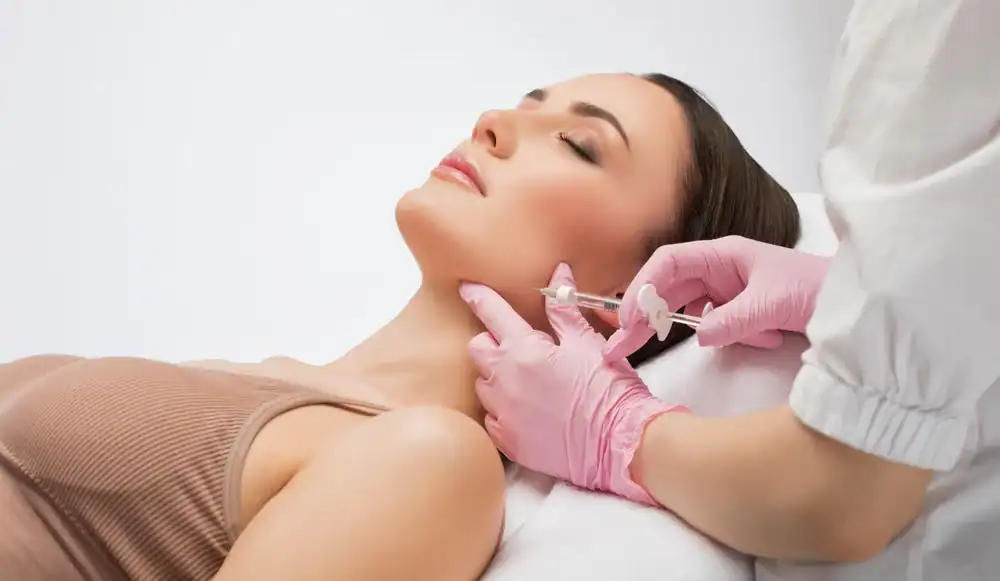
The appointment itself is not the intimidating experience most first-timers expect. A preventative Botox treatment typically takes around ten minutes. There’s no anesthesia, no recovery period, and no need to clear your schedule. Most patients go straight back to work — or wherever their day takes them — without any visible sign that anything happened.
What should happen before any of that, though, is a real consultation. A qualified injector will assess your facial muscle movement, identify where you’re showing early dynamic activity, and discuss what dose and placement makes sense for your specific face. We should also be honest with you if preventative treatment isn’t the right call yet — or if a different approach would serve you better. That kind of straightforwardness is actually a good sign, not a red flag.
Results from preventative Botox don’t appear immediately. You’ll start to notice the effect within a few days, with full results settling in around two weeks. The treated muscles relax gradually, and the skin above them stays smoother instead of creasing with each expression. Results typically last three to four months, which means most preventative patients come in three to four times per year to maintain the effect.
One question that comes up a lot: what happens if you stop? The honest answer is that your face returns to its natural state. There’s no physical dependency, no accelerated aging, no rebound effect. The lines you prevented from forming simply don’t exist — but if you stop treatment entirely, your muscles will resume their normal activity over time and the process of wrinkling will continue at its natural pace. Stopping isn’t harmful. It just means you’re no longer preventing the thing you were preventing.
For patients who’ve had a bad experience elsewhere — and in a city with as many providers as New York, that’s not uncommon — it’s worth knowing that the outcome you experienced was almost certainly a function of technique, not the treatment itself. Overdone, unnatural, or asymmetrical results come from poor placement and excessive dosing. The right injector, with the right approach, produces natural Botox results that look like you — just without the tension and early lines.
If you’ve been sitting on this question, the most useful thing to know is this: the window where prevention is easy doesn’t stay open indefinitely. Dynamic lines that are barely visible today can become static lines in a few years — and static lines require more product, more visits, and more time to address. Starting conservatively now is almost always less expensive and more effective than correcting the problem later.
The other thing worth saying plainly is that the quality of your injector matters more than almost any other variable. The right provider will use the minimum dose needed, preserve your natural expression, and give you an honest read on what your face actually needs — not an upsell.
If you’re in Brooklyn, Queens, or anywhere in the New York area and you want a real conversation about whether preventative Botox makes sense for you right now, we at Dolce Aesthetics NY offer complimentary consultations at no cost and with no commitment. Come in with your questions. Leave with a clear picture of your options.
Summary:
Share: