Exclusive sales on ALL Dermal Fillers & Injectables!
Non-surgical aesthetic treatments are more popular than ever in Brooklyn and Queens. Here's what's driving the trend — and what it means for you.
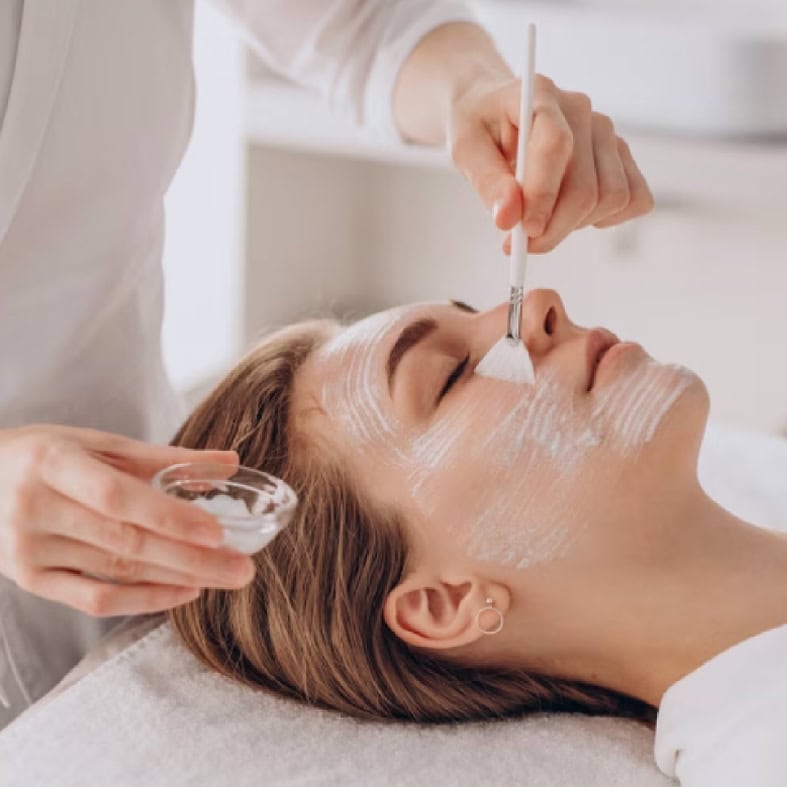
Something has shifted. Over the past few years, medical spa treatments have moved from a niche luxury into something that your neighbor, your coworker, and probably a few people in your family are quietly doing. Botox on a Tuesday afternoon. A HydraFacial between work and dinner. Laser hair removal that finally works. The demand is real, and it’s growing fast — especially here in Brooklyn and Queens, where people want results without the recovery time, the Manhattan price tag, or the guesswork of not knowing who’s actually qualified to treat them. This page is here to answer the questions most people have before they ever pick up the phone.
The numbers tell a clear story. Over 20.5 million non-surgical cosmetic procedures were performed worldwide in 2024 — more than surgical procedures for the first time ever. The U.S. medical spa market alone was valued at $6.9 billion in 2024 and is projected to nearly quadruple by 2034. That kind of growth doesn’t happen by accident.
What’s driving it is a combination of factors that have been building for years. People are more informed than they used to be. Treatments are safer, more precise, and more accessible. And the results — when done by the right hands — look genuinely natural. The old stigma of “you can tell she had work done” is fading because the best providers today are focused on making you look refreshed, not different.

This is probably the most common question people have when they start researching, and it’s worth answering clearly. A day spa and a medical spa are not the same thing — not even close.
A traditional spa offers relaxation treatments: massages, basic facials, waxing, maybe some light skincare. The staff are typically estheticians or cosmetologists, and the products they use are available over the counter. There’s nothing wrong with that. But the results have a ceiling, because the treatments are surface-level by design.
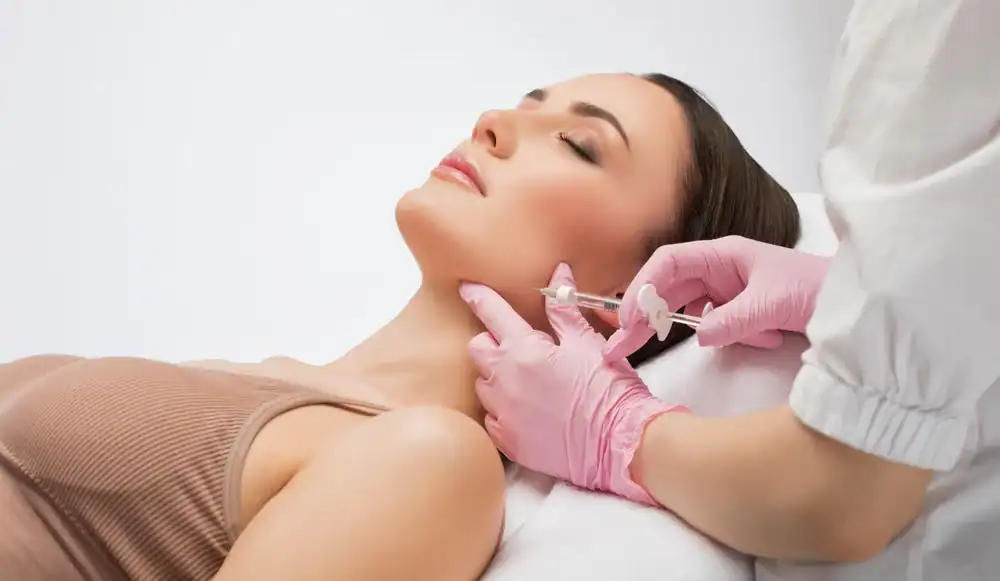
A medical spa operates under physician oversight and offers treatments that require a medical license to administer. That includes injectables like Botox and dermal fillers, laser treatments, microneedling, chemical peels at clinical strengths, and body contouring procedures. These aren’t just “stronger” versions of spa treatments — they work differently, at a deeper level, and produce results that topical products simply cannot replicate.
In New York State, this distinction carries legal weight. Under the Corporate Practice of Medicine doctrine, medical spas must be owned and operated by licensed physicians or properly structured professional entities. A board-certified physician must serve as an active Medical Director — not just a name on a website. Energy-based devices like lasers are now classified as medical procedures under state law, meaning only licensed medical professionals can legally perform them. That’s not a technicality. It’s a consumer protection standard that matters, especially given that inspections of 223 New York businesses in 2026 resulted in 87 citations for violations — nearly a 40% violation rate across providers operating in this space.
So when you’re comparing options in Brooklyn and Queens, the question isn’t just “do they offer Botox?” It’s “who is legally and clinically responsible for what happens to me in that chair?”
Botox remains the most popular non-invasive treatment in the world, with over 9 million procedures performed annually. It’s consistent, predictable, and when done well, completely undetectable — which is exactly the point. The goal isn’t to freeze your face. It’s to soften the lines that make you look tired or tense when you’re neither.
Dermal fillers — Juvederm, Radiesse, Belotero — are close behind. These address volume loss in the cheeks and lips, smooth deep folds, and can even reshape features like the jawline or nose without surgery. Hyaluronic acid fillers alone saw 6.3 million procedures in 2024, up 5.2% from the year before.
Beyond injectables, skin rejuvenation treatments are having a moment. HydraFacials, microneedling, vampire facials using your own PRP, chemical peels, and laser facials all address concerns like uneven texture, hyperpigmentation, acne scarring, and dullness — the kind of skin issues that skincare products chip away at slowly, if at all. Skin-tightening procedures posted nearly 39% growth in 2024, and chemical peels weren’t far behind at 33%. These aren’t fringe treatments anymore.
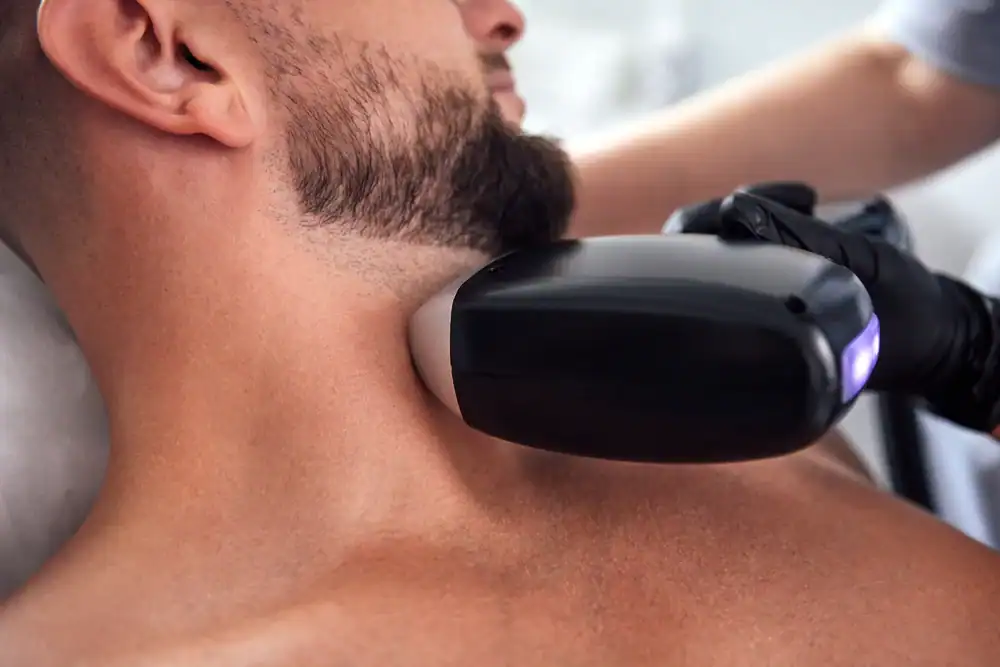
Laser hair removal and body contouring are also growing fast. Non-invasive fat reduction and body sculpting procedures appeal to people who’ve done the work at the gym but want to address areas that don’t respond to diet and exercise alone. And laser hair removal, when performed on the right equipment, has become a practical alternative to a lifetime of shaving and waxing — particularly relevant in a city where people are always on the go.
One trend worth noting: the “prejuvenation” movement. A growing segment of people in their mid-to-late twenties and early thirties are seeking preventative treatments before visible aging begins — not to change how they look, but to slow the process down. This has reshaped the typical client profile significantly. Medical spa clients are no longer just people in their forties trying to turn back the clock.
Want live answers?
Connect with a Dolce Aesthetics expert for fast, friendly support.
Living in Brooklyn or Queens puts you in one of the most competitive aesthetic markets in the country. There are a lot of options, and not all of them are equal — or even fully compliant with state law. That makes doing a little homework before you book genuinely important.
The good news is that the things worth looking for aren’t hard to find. Named providers with verifiable credentials. A real, active physician on staff. Transparent pricing before any commitment. A consultation process that starts with listening, not selling. These aren’t luxury standards — they’re the baseline for any provider you should trust with your face or body.
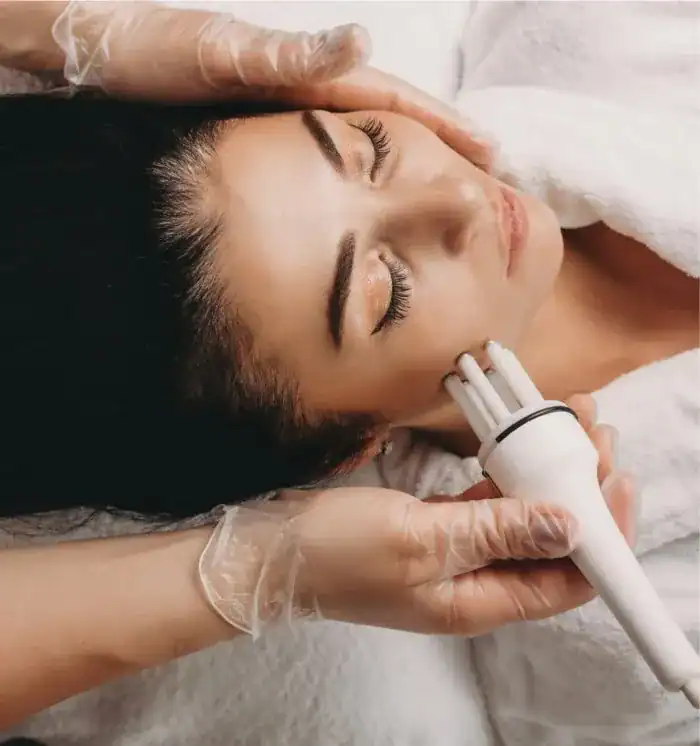
Start with credentials, not aesthetics. A beautiful office is easy to build. A qualified injector with a verifiable track record takes years to develop. When you’re researching a provider, look for specific names, specific degrees, and specific experience — not just “our team of experts.”
For injectables, the two most recognized manufacturer credentialing programs in the industry are Allergan’s Top Injector rankings and Merz Aesthetics’ tiered injector program. Allergan makes Botox and Juvederm. Merz makes Radiesse and Belotero. Both companies maintain national rankings based on volume, outcomes, and ongoing training. An injector ranked in Allergan’s Top 250 nationally — or holding Merz Black Diamond status — has demonstrated elite-level proficiency that’s independently verifiable. That’s a meaningfully different standard than someone who completed a weekend certification course.
Next, look at the structure of the practice. In New York, a legitimate medical spa must have a licensed physician as Medical Director who is genuinely involved — reviewing protocols, supervising treatments, and available for complications. Ask directly: who is the medical director, and what is their role? If the answer is vague, that’s a red flag worth taking seriously.
Reviews matter, but read them carefully. A high volume of detailed, specific reviews across multiple platforms — Yelp, Google, Facebook — gives you a more reliable picture than a handful of glowing five-star posts. Pay attention to what people say about results, not just the atmosphere. And look for reviews that mention the provider by name, which usually signals a genuine relationship rather than a generic experience.
Finally, transparency around pricing is a practical signal of how a practice operates. Hidden fees, vague estimates, or pressure to commit before you know what you’re paying are patterns that tend to show up in other parts of the experience too. A provider who tells you exactly what you’ll pay before you agree to anything is operating from a different set of values than one who keeps the numbers fuzzy until you’re already in the chair.
This is something that doesn’t get discussed enough, but it matters a great deal in this market specifically. Brooklyn and Queens are among the most ethnically diverse communities in the world. Brooklyn’s population is nearly 28% Black or African American and over 12% Asian, with significant Latino, Middle Eastern, and South Asian communities throughout both boroughs. Queens is the most ethnically diverse county in the entire United States.
That diversity has direct clinical implications for laser treatments. Darker skin tones contain more melanin, which means they’re more susceptible to post-inflammatory hyperpigmentation — visible darkening or discoloration — when treated with the wrong laser settings or inferior equipment. This isn’t a minor inconvenience. It’s a real risk that can result in lasting skin damage if a provider is using outdated technology or doesn’t have the training to calibrate treatments for a full range of skin types.
The Cynosure Apogee Elite — the laser platform we use at Dolce Aesthetics NY — is specifically engineered to treat all skin types safely and comfortably. It’s not a one-size-fits-all machine running on default settings. It’s a top-tier clinical platform that allows for precise adjustments based on your individual skin tone, which is exactly what responsible laser treatment in a diverse community requires.
This is also why the consultation process matters so much before any laser service. A provider who doesn’t ask about your skin type, your history with sun exposure, or how your skin has responded to treatments in the past isn’t giving you the full picture. The right equipment combined with the right assessment is what produces safe, effective results — not just for one skin tone, but for everyone walking through the door in Bay Ridge, Glendale, or Howard Beach.
We understand the community we’re serving in Brooklyn and Queens. That means investing in equipment and training that reflects the real diversity of this market, not the simplified version of it.
The growth in medical spa treatments isn’t a trend that’s going to reverse. People have discovered that non-surgical aesthetic treatments — done well, by the right hands — produce real, lasting results without the risks, recovery time, or cost of surgery. That’s a compelling case, and it only gets stronger as the technology improves and the options expand.
What hasn’t changed is that the provider matters more than anything else. The treatment is only as good as the person administering it and the standards the practice is built around.
If you’re in Brooklyn or Queens and you’re ready to have an honest conversation about what’s possible — without pressure, without hidden costs, and without being rushed through a consultation — we’re here. Reach out to schedule your free consultation and find out what the right treatment could do for you.
Summary:
Share: