
Exclusive sales on ALL Dermal Fillers & Injectables!
Dull, tired skin that won't respond to anything you try at home? Here's what actually works — and why medical-grade facials are a different category entirely.
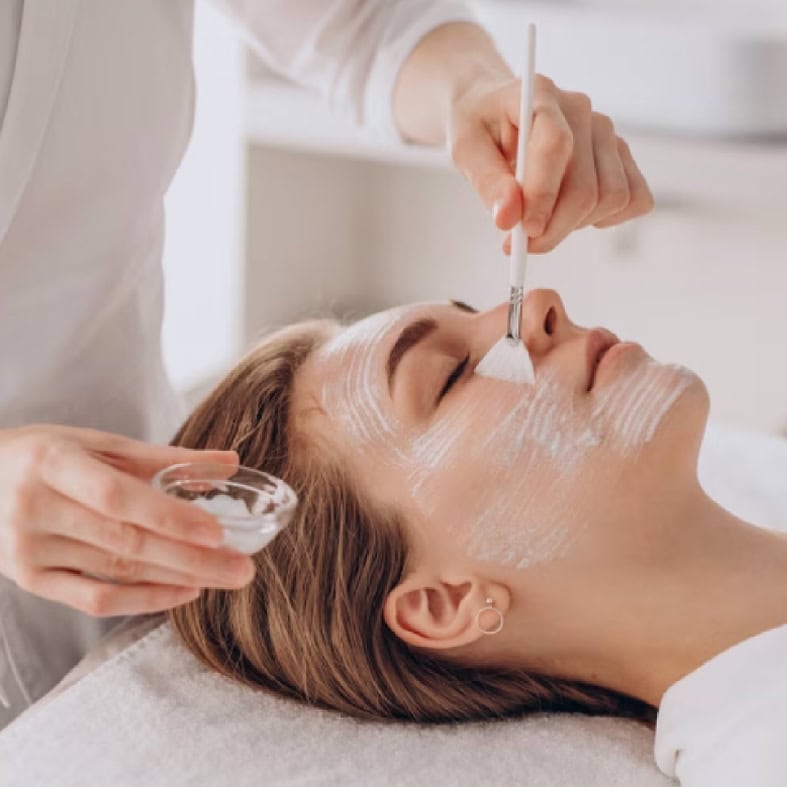
You’re doing everything right — cleansing, moisturizing, maybe even spending real money on serums — and your skin still looks dull, flat, or just exhausted. That’s not a product problem. That’s a depth problem. Over-the-counter skincare works at the surface. Medical-grade facial treatments work at the cellular level, where collagen lives, where dead skin accumulates, and where real change actually happens. This guide covers the treatments that make a measurable difference, what to expect from each one, and how to figure out which one is right for your skin — so you can stop guessing and start seeing results.
A regular spa facial is relaxing. It cleanses, softens, and gives your skin a temporary glow that usually fades within a few days. A medical facial is a different category of treatment altogether. The products are clinical-grade — formulated at concentrations that are only available through licensed medical professionals — and the techniques are designed to penetrate deeper into the skin, not just refresh the surface.
At our medical spa, every treatment is supervised by credentialed practitioners who understand skin biology, not just skin aesthetics. That means the person assessing your skin isn’t reading from a menu — they’re evaluating your specific concerns, your skin type, your history, and recommending a protocol that actually addresses the root cause of what you’re seeing in the mirror.
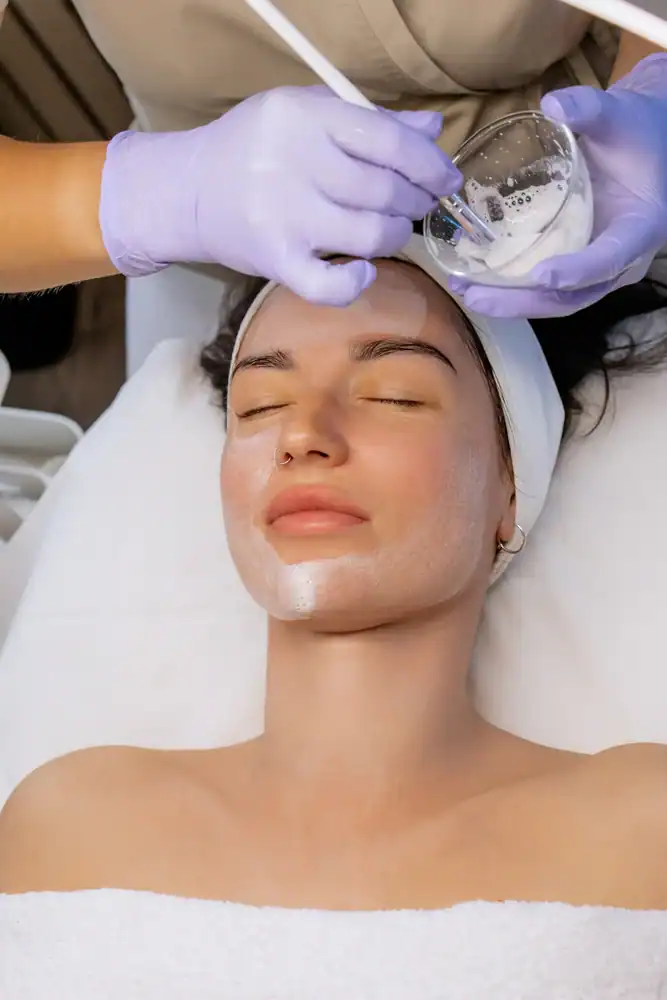
Dullness is one of the most common complaints we hear, and it almost always comes down to a few overlapping issues: a buildup of dead skin cells that haven’t shed properly, dehydration at the cellular level rather than just the surface, sluggish circulation, and early collagen loss that flattens the skin’s natural light-reflecting structure.
Moisturizer addresses surface dryness, but it can’t clear away the layer of dead cells dulling your complexion. It can’t stimulate collagen production. It can’t push active ingredients deep enough to change the quality of your skin over time. That’s not a knock on skincare — it’s just the honest ceiling of what topical products can do without professional-grade delivery systems behind them.
For residents across Brooklyn and Queens, there’s an added layer to this. Daily subway commutes expose your skin to fine particulate matter and metal particles in the underground air — a real, documented source of oxidative stress that accelerates skin aging and contributes to congestion and uneven texture. Add in New York’s brutal winters, which strip the skin barrier of moisture month after month, and the salt air near coastal neighborhoods like Bay Ridge, Arverne, and Manhattan Beach, and you have a set of environmental conditions that demand more than a nightly face wash.
The good news is that once you understand what’s actually causing your dull, tired skin, the right treatment becomes much clearer. Deep exfoliation removes the dead cell buildup. Hydration infusion replenishes moisture at the level where it matters. Collagen-stimulating treatments rebuild the structure that gives skin its firmness and glow. Each of these has a specific clinical treatment designed to deliver it — and the right one for you depends on what’s most dominant in your skin right now.
The most effective medical spa facial treatments for dull, tired skin each work through a distinct mechanism — and knowing the difference helps you make a smarter choice before you book anything.
HydraFacial is one of the most popular treatments we offer, and for good reason. It combines deep cleansing, gentle exfoliation, painless extractions, and serum infusion in a single session using a patented vortex-fusion system. Most clients see visible brightness and improved skin texture immediately after their first treatment, with no redness and no downtime. If you’ve never had a medical facial before and want to understand what your skin is capable of, a HydraFacial is often the best place to start.
Medical-grade chemical peels work differently. They use controlled concentrations of acids — glycolic, salicylic, lactic, or trichloroacetic depending on the depth — to accelerate cell turnover, resurface the outer layers of skin, and trigger the body’s natural repair response. The result over the following weeks is smoother texture, more even tone, and a reduction in the hyperpigmentation that often develops after years of sun exposure. A common misconception is that peels always mean days of visible peeling and redness. Superficial and medium peels, applied correctly, can involve minimal visible downtime — especially when performed in fall or winter when UV exposure is lower, which is the ideal window for this type of treatment.
Microneedling is the go-to treatment for clients focused on skin texture, enlarged pores, and early signs of collagen loss. Fine-gauge needles create controlled micro-channels in the skin, triggering a collagen induction response that rebuilds firmness and smoothness over the following four to six weeks. Most clients experience redness for 24 to 48 hours — similar to a mild sunburn — and then notice progressive improvement in skin quality that continues to develop with each subsequent session. For Brooklyn and Queens residents in their late 20s through 40s who are starting to notice that their skin doesn’t snap back the way it used to, microneedling is one of the most clinically effective options available without surgery or significant downtime.
LED therapy is frequently used alongside other facial treatments to reduce inflammation, accelerate healing, and support collagen synthesis. It’s non-invasive, completely painless, and adds measurable benefit to almost any treatment protocol.
Want live answers?
Connect with a Dolce Aesthetics expert for fast, friendly support.
The most common reason people delay booking a facial treatment isn’t cost or time — it’s not knowing which treatment to choose. The options can feel overwhelming when you’re reading about them online, and the last thing you want is to spend money on something that doesn’t match your actual concern.
The honest answer is that the right treatment depends on your skin’s current condition, your goals, your downtime tolerance, and your skin tone — all of which need to be assessed in person before a recommendation makes sense. That’s exactly what a consultation is for. Before any treatment, before any payment, we sit down with you, look at your skin, and tell you what we actually think will help.
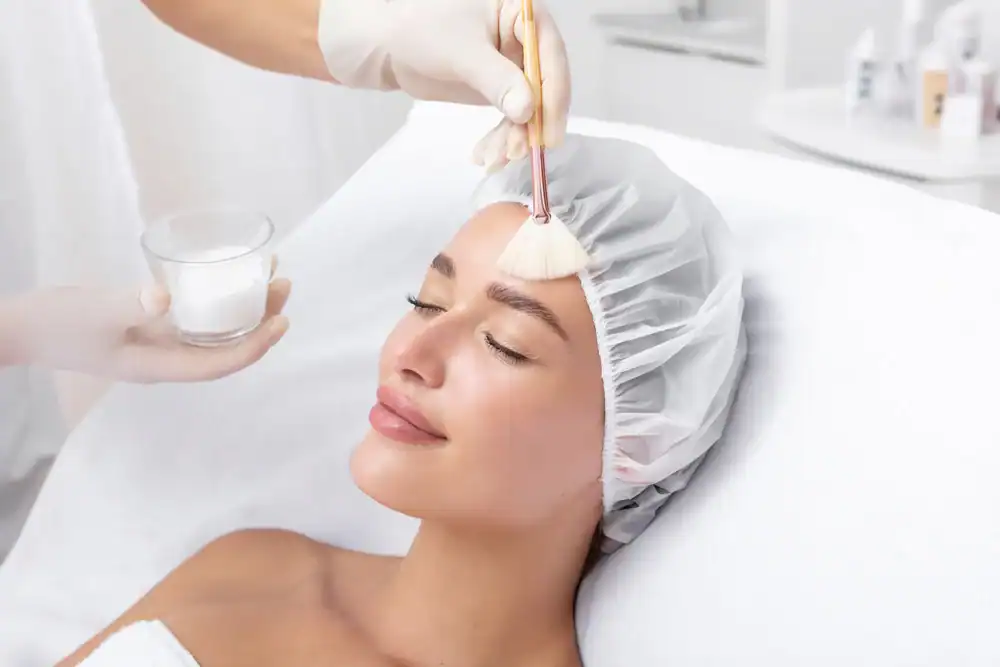
One of the most common questions we hear is whether a single treatment will make a lasting difference, or whether you need to commit to a long series of appointments before you see anything. The answer is somewhere in the middle, and it depends on the treatment and your starting point.
A single HydraFacial produces visible results — most clients leave with noticeably brighter, smoother skin. But the real improvement comes with consistency. The skin’s natural cell renewal cycle runs approximately every 28 days in younger adults and slows with age. Spacing professional facial treatments every four to six weeks aligns with that cycle and allows each session to build on the last, producing compounding improvements in texture, hydration, and tone over time.
For collagen-stimulating treatments like microneedling, a series of three to six sessions spaced four to six weeks apart is typically recommended for optimal results, followed by maintenance sessions every few months. Chemical peels can be done as a single corrective treatment or incorporated into a seasonal maintenance plan — many clients do a deeper resurfacing peel in the fall to address summer sun damage, then maintain with lighter treatments through the winter and spring.
The point isn’t to lock you into an endless treatment schedule. It’s to help you understand that skin health works like fitness — consistent effort produces better long-term results than a single intense session every year. A good provider will help you build a realistic protocol based on your actual goals and your actual schedule, not the most expensive option on the menu.
If you’ve never been to a medical spa before, it’s completely normal to have questions — or a few hesitations. The most common ones we hear are about pain, downtime, looking “done,” and being pressured into treatments or packages you didn’t come in for.
Here’s the straightforward version. Most medical facial treatments are either painless or involve mild, brief discomfort — HydraFacial is entirely comfortable, and microneedling is performed with topical numbing cream so most clients describe it as a mild vibration sensation rather than anything sharp. Downtime varies by treatment: HydraFacial and LED therapy have none, superficial peels involve minimal to no visible flaking, and microneedling typically produces 24 to 48 hours of redness. None of these require you to cancel your week.
On the “done” concern — natural-looking results are the standard here, not the exception. The goal of a medical facial is skin that looks healthy, rested, and like you — not skin that looks like it’s been treated. That distinction matters, and it’s driven by the skill and judgment of the person doing the work.
For clients in Brooklyn and Queens with deeper skin tones — which describes a significant portion of the communities we serve across neighborhoods like Flatbush, Jackson Heights, Howard Beach, and Astoria — it’s worth knowing that not all providers are equally equipped to treat Fitzpatrick skin types IV through VI safely. Certain chemical peels and laser treatments require modified protocols for darker skin to avoid post-inflammatory hyperpigmentation. Our team assesses your skin type before recommending anything, and we only recommend treatments we can perform safely and effectively for your specific complexion.
Finally, on pressure: every visit starts with a free consultation. You discuss your goals, we assess your skin, and we give you a treatment plan. No payment until you have a clear picture of what we recommend and why. If you want time to think about it, take it. The goal is for you to feel confident in whatever you decide — not rushed into something before you’re ready.
Dull, tired skin isn’t something you just have to live with — and it’s not something another serum is going to fix. The right medical-grade facial treatment, matched to your actual skin concerns and performed by someone who genuinely knows what they’re doing, produces results that over-the-counter products simply cannot replicate.
Whether your priority is deeper hydration, smoother texture, brighter tone, or long-term collagen support, there’s a clinically proven treatment for it. The key is knowing which one is right for you — and that starts with a real conversation about your skin, not a generic menu.
If you’re in Brooklyn or Queens and you’re ready to stop guessing and start seeing actual improvement, we offer complimentary consultations at multiple convenient locations. Come in, talk to us, and leave with a clear plan — no pressure, no commitment required.
Summary:
Share:
