Exclusive sales on ALL Dermal Fillers & Injectables!
The liquid facelift is redefining non-surgical rejuvenation in 2026, combining Botox and dermal fillers for balanced, natural results without the scalpel.
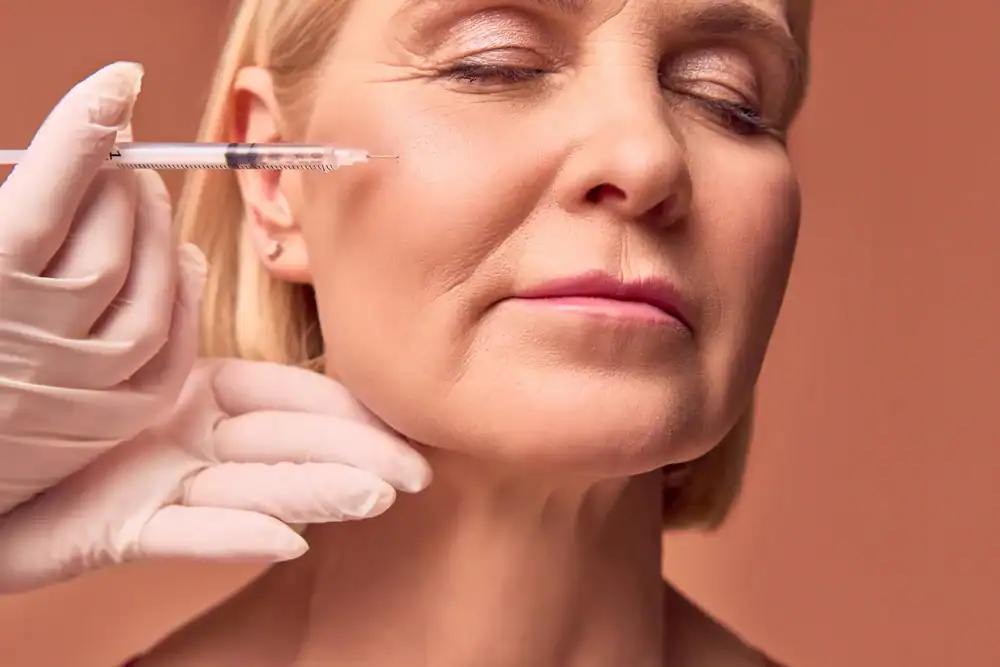
A liquid facelift uses injectable treatments—primarily Botox and dermal fillers—to restore youthful contours without surgery. Think of it as a two-part strategy: Botox relaxes the muscles that create dynamic wrinkles (the lines that form when you smile, frown, or squint), while dermal fillers replace lost volume and smooth out static wrinkles (the ones that stick around even when your face is at rest).
The process starts with a thorough assessment of your facial structure. Where have you lost volume? Which muscles are overactive? What areas would benefit most from subtle lifting or contouring? We don’t just treat individual problem areas—we look at your face as a whole and create a plan that brings everything into balance.
Most liquid facelift sessions take less than an hour. You’ll see some results immediately, especially from the fillers, while Botox takes about three to seven days to fully kick in. There’s minimal downtime—maybe some slight swelling or bruising that fades within a few days—and you can return to your normal routine right away.
Here’s the thing most people don’t realize: Botox and fillers do completely different jobs, and that’s exactly why they work so well together.
Botox targets the muscles. When you frown, squint, or raise your eyebrows, specific facial muscles contract and create lines in the skin above them. Over time, those lines become etched in, visible even when your face is relaxed. Botox works by temporarily blocking the nerve signals that tell those muscles to contract. The result? Smoother skin in areas like your forehead, between your brows, and around your eyes. You can still make expressions—you just won’t be creasing the skin as deeply while you do it.
Dermal fillers, on the other hand, address volume loss. As you age, your face naturally loses fat, bone density, and collagen. This creates hollows under your eyes, flattens your cheeks, deepens the lines around your nose and mouth, and softens your jawline. Fillers—typically made from hyaluronic acid, a substance your body produces naturally—are injected beneath the skin to restore that lost volume. They plump up sunken areas, smooth out deep creases, and can even subtly lift sagging skin by providing structural support underneath.
When you combine the two, you’re not just treating wrinkles or adding volume—you’re addressing the root causes of facial aging from multiple angles. Botox prevents new lines from forming while fillers restore the youthful contours you’ve lost. That’s why the liquid facelift has become such a go-to option for people who want comprehensive rejuvenation without going under the knife.
The key is customization. Not everyone needs the same amount of Botox or filler, and not everyone needs it in the same places. We tailor the treatment to your specific anatomy, your concerns, and the look you’re going for. Some people need more volume in their cheeks, others need more smoothing around their mouth, and some just want to soften their forehead lines and call it a day. There’s no one-size-fits-all approach, and that’s a good thing.
One of the biggest advantages of the liquid facelift is that the results are temporary, which might sound like a downside but is actually a benefit. Dermal fillers typically last anywhere from six to eighteen months, depending on the type of filler and where it’s placed. Botox lasts about three to six months. This means you’re never locked into a look you don’t like, and you have the flexibility to adjust your treatment plan as your face continues to change over time.
Let’s walk through what actually happens when you come in for a liquid facelift at our med spa.
First, you’ll have a consultation. This is where we assess your facial structure, discuss your concerns, and explain what’s realistic. If you’ve been looking at Instagram and expecting to walk out looking like someone else, this is where you’ll get a reality check. The goal isn’t transformation—it’s enhancement. You should still look like you, just refreshed.
Once you’ve agreed on a plan, the actual treatment begins. Your face will be cleansed, and a topical numbing cream may be applied to minimize discomfort, though many people find the injections tolerable without it. Most modern fillers also contain lidocaine, a local anesthetic, which helps numb the area as the filler is being placed.
We’ll start with either Botox or fillers, depending on the plan. Botox injections are quick—just a few small pricks in the targeted muscles. You might feel a slight pinch, but it’s over fast. Fillers take a bit longer because we need to carefully place the product in specific layers of the skin to achieve the right effect. You might feel pressure or a slight stinging sensation, but again, it’s generally well-tolerated.
The entire session usually takes thirty minutes to an hour, depending on how many areas are being treated. When it’s done, you might have some redness, swelling, or small bruises at the injection sites. This is normal and typically fades within a few days. Some people go right back to work; others prefer to take the rest of the day off to let any swelling settle.
Results from fillers are visible immediately, though they may look a bit swollen at first. Botox takes a few days to start working, with full results appearing around two weeks. We’ll likely schedule a follow-up appointment to assess the results and make any necessary adjustments.
One thing to keep in mind: you might not get everything done in one session. We prefer to take a conservative approach, especially if it’s your first time, and build on the results over multiple visits. This reduces the risk of overcorrection and gives you time to get used to the changes before adding more.
Aftercare is straightforward. Avoid touching or massaging the treated areas for at least twenty-four hours to prevent the product from migrating. Skip intense workouts for the first day, and try to sleep with your head elevated for the first night or two to minimize swelling. If you’re prone to bruising, avoid blood-thinning medications and supplements like aspirin, ibuprofen, and fish oil for a few days before and after treatment.
Most people are thrilled with their results. The changes are subtle enough that people won’t necessarily know you had work done—they’ll just think you look well-rested, healthy, and maybe like you’ve been on vacation. And that’s exactly the point.
Want live answers?
Connect with a Dolce Aesthetics expert for fast, friendly support.
The aesthetic world has shifted. The overfilled, overdone look that dominated the mid-2010s is out. In 2026, the focus is on subtlety, precision, and natural movement. People want to look refreshed, not frozen. They want their faces to move when they smile, not stay stiff.
This shift has changed the way we approach treatments. Instead of using large amounts of product to create dramatic changes, the trend now is to use less filler and place it more strategically. It’s about working with your natural anatomy, not fighting against it. The goal is balance and harmony, not perfection.
Another major trend is earlier intervention. More people in their thirties and forties are starting Botox and fillers before significant aging sets in. The idea is to prevent deep wrinkles and volume loss from developing in the first place, rather than trying to reverse years of damage later. This “prejuvenation” approach is becoming the norm, especially among younger professionals throughout Kings County and Queens County who want to maintain their appearance over time.
If you’ve been hearing about masseter Botox, there’s a reason. It’s one of the fastest-growing treatments in medical spas right now, and it serves a dual purpose: it can slim your jawline and relieve tension from teeth grinding or TMJ issues.
The masseter muscles are the large chewing muscles located at the angle of your jaw. When these muscles are overdeveloped—often from clenching or grinding your teeth—they can create a square, widened jawline. Some people are genetically predisposed to having larger masseters, while others develop them over time due to stress or bruxism.
Botox works by relaxing these muscles, which causes them to gradually shrink over time. The result is a slimmer, more contoured jawline with a softer, more V-shaped appearance. It’s especially popular among people who feel their face looks too wide or masculine and want a more refined lower face.
But the benefits aren’t just cosmetic. Many people who get masseter Botox also experience relief from jaw pain, headaches, and teeth grinding. By reducing the muscle’s ability to clench forcefully, Botox can ease the strain on your temporomandibular joint and give your jaw a much-needed break.
The treatment itself is quick—just a few injections on each side of the jaw. Most people need between twenty and thirty units per side, though some cases require more depending on the size of the muscle. You won’t see results right away; it takes about two to three weeks to notice subtle changes, with the full slimming effect becoming visible around four to six weeks.
One of the most common concerns people have is whether masseter Botox will affect their ability to chew. The short answer is no. You’ll still be able to eat normally. The treatment doesn’t eliminate muscle function—it just reduces excessive clenching. You might notice that you’re not grinding your teeth as much at night, but your day-to-day chewing won’t be impacted.
Results from masseter Botox typically last three to four months, though some people find that with repeated treatments, the effects last longer as the muscle continues to shrink. Many patients choose to maintain their results with regular sessions, treating it as part of their ongoing aesthetic routine.
The cost varies depending on where you go and how many units you need, but in the New York area, you can expect to pay anywhere from four hundred to twelve hundred dollars per treatment. It’s not cheap, but for people dealing with chronic jaw pain or dissatisfaction with their jawline shape, it can be well worth the investment.
If you’re considering masseter Botox, make sure you’re seeing someone who has experience with this specific treatment. The placement needs to be precise to avoid affecting nearby muscles, and an inexperienced injector can cause issues like difficulty smiling or an uneven result. Look for a medical spa with licensed practitioners who understand facial anatomy and have a track record of successful masseter treatments.
There’s been a noticeable backlash against the overfilled, overly smooth look that was trendy just a few years ago. Celebrities and influencers who once sported plump lips and chiseled cheekbones are now dissolving their fillers and opting for a more understated approach. The aesthetic ideal has shifted toward looking like a naturally attractive version of yourself, not a filtered, edited version.
This “less is more” philosophy has trickled down to everyday consumers. People are asking for smaller amounts of filler, more conservative Botox doses, and treatments that enhance their features without drastically changing them. The goal is to look refreshed and well-rested, not like you’ve had obvious work done.
We’ve responded by adopting more nuanced techniques. Instead of filling every line and hollow, we focus on the areas that will give the most natural-looking lift and volume. For example, rather than pumping filler directly into the nasolabial folds (the lines that run from your nose to your mouth), we now focus on restoring volume to the cheeks. When the cheeks are properly supported, the nasolabial folds soften on their own, creating a more natural result.
Botox techniques have also evolved. Instead of completely freezing the forehead, we use smaller doses placed strategically to soften lines while still allowing natural movement. This approach, sometimes called “micro-Botox” or “baby Botox,” gives you a more relaxed appearance without the stiff, expressionless look that people associate with overdone injectables.
Another trend gaining momentum is the use of newer, longer-lasting neuromodulators. Products like Daxxify have entered the market with claims of results lasting six to nine months—roughly double the duration of traditional Botox. For people who are tired of coming in for touch-ups every few months, these longer-lasting options are appealing. However, they also come with a higher upfront cost, so it’s a trade-off.
Skin boosters are also gaining traction. These are lightweight hyaluronic acid formulations that are injected across the face to improve overall skin quality rather than targeting specific wrinkles or volume loss. The result is a dewy, hydrated glow that lasts for months. It’s like a long-lasting moisturizer from within, and it’s perfect for people who want to improve their skin texture without adding noticeable volume.
The key takeaway from all of these trends is that customization is king. What works for your friend or your coworker might not be right for you. We take the time to understand your goals, assess your facial structure, and recommend a treatment plan that enhances your unique features. If someone is pushing you to do more than you’re comfortable with or trying to sell you on a one-size-fits-all approach, that’s a red flag.
You should also feel empowered to start small. There’s no rule that says you have to do everything at once. Many people start with just Botox in their forehead or a small amount of filler in their lips, see how they feel about the results, and then decide whether they want to do more. Injectables are temporary, so if you don’t love the outcome, you can always adjust your approach next time—or choose not to repeat the treatment at all.
Not all medical spas are created equal. The person injecting Botox or filler into your face should have extensive training, a deep understanding of facial anatomy, and a portfolio of natural-looking results. This isn’t the place to bargain hunt or go with whoever has the cheapest Groupon deal.
Look for a medical spa that’s overseen by licensed medical professionals—ideally a doctor or nurse practitioner with years of experience in aesthetics. Check reviews, ask to see before-and-after photos, and don’t be afraid to ask about credentials during your consultation. A reputable injector will be happy to discuss their training and experience.
You should also feel comfortable during your consultation. If someone is pressuring you to do more treatments than you’re ready for, or if they’re dismissive of your concerns, walk away. The right provider will listen to what you want, set realistic expectations, and work with you to create a plan that fits your goals and your budget.
At Dolce Aesthetics NY, our focus is on medical expertise, personalized care, and natural-looking results. With locations throughout Brooklyn, NY and Queens, NY, we’ve been serving the New York area for over fifteen years, combining clinical skill with a genuine understanding of what patients want. Regardless of if you’re curious about a liquid facelift, masseter Botox, or just want to smooth out a few lines, we’re here to guide you through the process with honesty and precision.
Summary:
Share: