
Exclusive sales on ALL Dermal Fillers & Injectables!
Winter isn't just for cozy sweaters—it's the smartest season to start laser hair removal so you're beach-ready when temperatures rise.
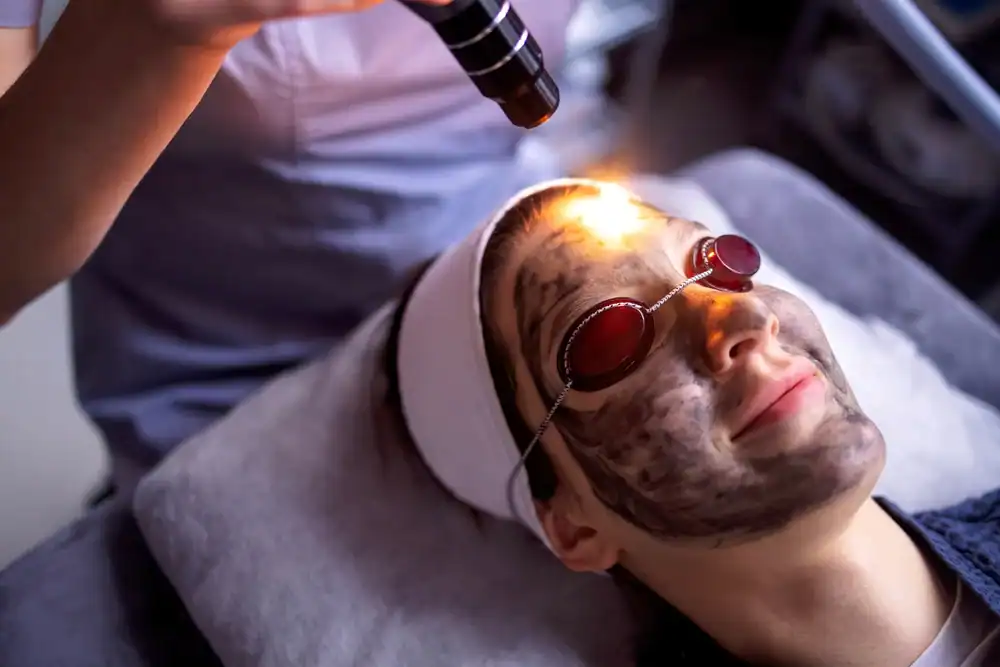
Laser hair removal isn’t a one-and-done situation. It’s a process that requires multiple sessions spaced weeks apart, and your skin needs to be in the right condition for each one. Winter creates the ideal environment for this.
Your skin is naturally lighter during the colder months. No tan lines. No recent sun exposure. That contrast between your pale skin and darker hair is exactly what the laser needs to work effectively and safely. When your skin is tanned or sun-damaged, laser treatments become riskier and less precise.
Plus, winter means you’re spending less time outdoors and more time covered up. That makes it easier to protect treated areas from UV exposure, which is critical for healing and avoiding complications like pigmentation changes.
Let’s talk about what “multiple sessions” really means. Most people need somewhere between three and eight treatments to see significant, lasting results. The exact number depends on your hair type, the area being treated, and how your individual hair growth cycles respond.
Hair grows in phases. At any given time, only a portion of your hair is actively growing—and that’s the only hair the laser can effectively target. The rest is either transitioning or resting.
That’s why you need several sessions spaced about four to six weeks apart. Each session catches a new batch of hair in its active phase. If you start winter laser hair removal in December or January, you’re looking at finishing your series by late spring or early summer.
That timing isn’t a coincidence. It’s strategic. You’re giving your body the time it needs to respond without rushing or skipping sessions because you’re worried about showing skin. And here’s the thing people don’t always mention: by your third or fourth session, you’ll already notice a difference.
Less regrowth. Finer hair. Longer stretches between needing to shave. The full results take time, but the process isn’t all or nothing. You’ll see improvement along the way, which makes sticking with it a lot easier.
The alternative? Waiting until April and realizing you won’t be done in time. Or worse, starting treatments in summer and dealing with the headache of avoiding the sun, covering up constantly, and risking irritation from heat and sweat. Winter removes all of that stress.
After each session, your skin needs time to heal. It’s not dramatic—most people experience some redness or mild sensitivity that fades within a few hours to a couple of days. But during that recovery window, your skin is more vulnerable to sun damage, heat, and friction.
In summer, that’s a problem. You’re sweating more. Wearing lighter clothes that rub against treated areas.
Spending time outside where UV exposure is unavoidable, even with sunscreen. All of that can lead to irritation, discomfort, or even pigmentation issues if you’re not extremely careful.
Winter flips the script. You’re naturally spending more time indoors. Your skin is covered by clothing, which protects it while it heals. Cooler temperatures mean less sweating and less chance of irritation.
You’re not stuck choosing between going to the beach and babying your skin—you can just let it recover in peace. And let’s be honest: if you’re between sessions and dealing with a little stubble, it’s a lot easier to hide under jeans and long sleeves than it is in shorts and a tank top.
Winter gives you that buffer. You’re not stressing about what your legs look like at a pool party while you’re mid-treatment. There’s also the prep side of things.
Before each session, you’re supposed to avoid sun exposure for a few weeks. That’s easy in January. It’s nearly impossible in July. Trying to stay out of the sun during peak summer while maintaining a social life is frustrating. Winter removes that obstacle entirely, making it easier to follow the guidelines that actually get you results.
Want live answers?
Connect with a Dolce Aesthetics expert for fast, friendly support.
If you’ve never done this before, it’s normal to have questions. What does it feel like? How long does it take? Will it actually work? The process is straightforward, but understanding what you’re signing up for makes a big difference.
Each session is quick. Small areas like your upper lip or underarms take about 10 to 15 minutes. Larger areas like your legs might take closer to an hour. You’re not spending your whole day at the medical spa—it’s something you can easily fit into a lunch break or after work.
As for discomfort, most people compare it to a rubber band snapping against the skin. It’s not painless, but it’s also not unbearable. Modern laser systems come with cooling technology that helps minimize the sensation. Some areas are more sensitive than others—bikini line and underarms tend to be the most noticeable—but it’s manageable, especially when you know it’s temporary and working toward a long-term solution.
Here’s the truth: laser hair removal is technically “permanent hair reduction,” not complete permanent removal. But for most people, that distinction doesn’t matter much in practice.
After a full series of treatments, you can expect about 80 to 95 percent of the hair in the treated area to be gone for good. The hair that does come back tends to be finer, lighter, and much slower to grow.
Many people go months or even years without needing any maintenance. Some need an occasional touch-up session once a year. Either way, it’s a massive improvement over shaving every other day or booking waxing appointments every few weeks.
The results vary depending on factors like your hair color, skin tone, and hormones. People with dark hair and lighter skin tend to see the most dramatic results because the laser targets pigment. If you have lighter or finer hair, you might need a few extra sessions, but it still works.
And yes, hormones can affect regrowth. Pregnancy, menopause, or certain medications can trigger new hair growth even after you’ve completed treatment. That’s not a failure of the process—it’s just biology. A quick maintenance session usually takes care of it.
What you won’t have to deal with anymore: razor burn, ingrown hairs, nicks, or that prickly stubble that shows up 12 hours after shaving. You won’t be panicking the night before a vacation because you forgot to book a wax. Your skin will be smoother, clearer, and way less of a hassle to maintain.
This used to be a legitimate concern. Older laser technology worked best on people with light skin and dark hair, and anyone outside that range was either told it wouldn’t work or risked complications like burns or discoloration.
That’s changed. Modern laser systems use different wavelengths that can safely and effectively treat a much wider range of skin tones and hair types.
Nd:YAG lasers, for example, are specifically designed for darker skin. Diode lasers offer versatility across the spectrum. The technology has caught up, and trained practitioners know how to adjust settings based on your individual skin and hair characteristics.
That said, not every med spa is created equal. You want to go somewhere that uses medical-grade equipment and has experienced staff who understand how to work with different skin types. A consultation before your first session should include a discussion about your skin tone, hair type, and any concerns you have.
If a provider brushes off those questions or makes it sound like one-size-fits-all, that’s a red flag. Safety also comes down to following pre- and post-care instructions. Avoiding sun exposure before and after treatment isn’t just a suggestion—it’s essential for preventing complications.
Skipping that step, especially on darker skin, increases the risk of pigmentation issues. But when you start in winter, that’s not even a challenge. Your skin is already in the best possible condition, and you’re not fighting against summer sun to keep it that way.
The bottom line: laser hair removal is safe and effective for most people when it’s done correctly. And winter is the time when “done correctly” is easiest to achieve.
If you’ve been putting off laser hair removal, waiting for the “right time,” this is it. Winter isn’t about hiding or postponing—it’s about preparing. It’s about giving your skin the safest, most effective conditions to respond to treatment so that when summer rolls around, you’re not scrambling or stuck halfway through a process that should have started months ago.
You’ll save time, skip the daily shaving routine, and stop dealing with the irritation that comes with razors and waxing. More importantly, you’ll feel confident. Ready. Smooth. Not because you rushed or cut corners, but because you planned ahead and let the process work the way it’s supposed to.
We serve Brooklyn and Queens with FDA-approved laser technology and experienced practitioners who understand how to deliver real, lasting results. Whether you’re dealing with stubborn hair on your legs, bikini area, underarms, or face, our team has the expertise to make your winter laser hair removal journey smooth and effective. Book a consultation and start this season so you’re ready when it counts.
Summary:
Share: