Exclusive sales on ALL Dermal Fillers & Injectables!
Your Botox doesn't have to fade at the three-month mark. Simple maintenance habits can help you stretch results, save money, and keep that refreshed look going strong.
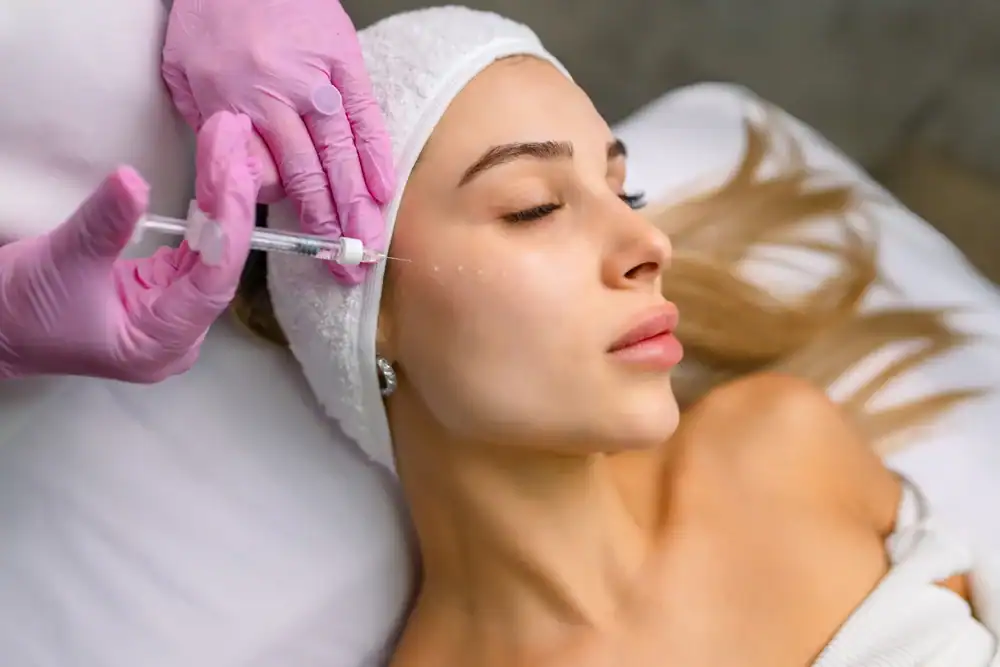
Most people see Botox results kick in within three to ten days, with full effects visible around the two-week mark. From there, you’re looking at an average of three to four months before the neurotoxin wears off and muscle movement starts returning.
But that’s just an average. Some people notice results fading closer to two and a half months, especially if it’s their first time. Others stretch it to five or even six months with consistent treatments and smart maintenance.
The reason it’s temporary comes down to biology. Botox works by blocking nerve signals to the muscles that cause wrinkles. Over time, your body naturally breaks down the protein, and those signals start firing again. Your muscles wake back up, and the lines reappear.
If you’re new to Botox, don’t be surprised if your results don’t quite make it to the four-month mark. It’s not that the treatment didn’t work. It’s that your muscles haven’t been trained yet.
When you get Botox for the first time, your facial muscles are still strong and active. They’re used to contracting constantly, which means they metabolize the neurotoxin faster. You might notice movement returning around the ten or eleven-week point instead of closer to sixteen weeks.
This is completely normal. What’s encouraging is that with each subsequent treatment, your muscles start to weaken and relax more easily. Think of it like conditioning. The more consistently you treat an area, the less those muscles are able to pull and contract. Over time, that means longer-lasting results.
Many patients find that after two or three sessions, they’re able to go longer between appointments. Some even notice they need fewer units to achieve the same effect because the muscles have become less active. It’s one of the reasons consistency matters more than people realize.
We might also start with a conservative dose during your first visit to see how you respond. If you need a touch-up after two weeks, that’s a normal part of dialing in the right amount for your face. It’s better to start subtle and build than to overdo it and end up looking frozen.
Not everyone metabolizes Botox at the same rate. Your age, metabolism, lifestyle, and even the specific muscles being treated all play a role in how long results stick around.
People with faster metabolisms tend to break down the neurotoxin more quickly. If you’re very active, work out intensely, or have a naturally high metabolic rate, you might fall on the shorter end of the timeline. That doesn’t mean Botox isn’t working. It just means your body processes it faster.
The treatment area also matters. Botox in the forehead often lasts closer to four months because the frontalis muscle is large and used frequently, but not excessively. Crow’s feet, on the other hand, might fade a bit sooner—closer to two and a half to three months—because the muscles around the eyes are thinner and constantly active when you smile or squint. Masseter Botox for jaw slimming or teeth grinding tends to last about three to four months as well, though some patients notice relief lasting even longer with consistent treatments.
Lifestyle factors like smoking, heavy alcohol use, and sun exposure can shorten how long Botox lasts. Smoking reduces circulation and damages skin health. Alcohol can increase inflammation. UV exposure breaks down collagen and accelerates aging, which can make lines reappear faster even if the Botox itself is still active.
Stress is another factor people don’t always consider. When you’re stressed, you’re more likely to furrow your brow, clench your jaw, or make repetitive facial expressions. All of that extra muscle activity can wear down Botox results sooner.
Hydration and nutrition also play supporting roles. Dehydrated skin looks more lined and less plump, which can make it seem like Botox has worn off even if there’s still some effect. A diet rich in antioxidants, healthy fats, and plenty of water supports skin elasticity and overall health, which helps your results look their best for as long as possible.
Want live answers?
Connect with a Dolce Aesthetics expert for fast, friendly support.
You can’t stop your body from eventually metabolizing Botox, but you can absolutely influence how long it takes. These three strategies are backed by dermatologists, injectors, and real-world results from thousands of patients across medical spas in Brooklyn, Queens, and beyond. They’re not complicated, and they don’t require buying anything extra.
What they do require is consistency. The patients who see the longest-lasting results are the ones who treat aftercare and maintenance as part of the process, not an afterthought.
Let’s break down what actually works.
Sun damage is one of the fastest ways to undermine your Botox results. UV rays break down collagen, cause inflammation, and accelerate skin aging. Even if the Botox is still working to relax your muscles, sun-damaged skin will show more lines, wrinkles, and texture issues.
That’s why daily sunscreen is non-negotiable. Not just on beach days. Not just in summer. Every single day, even when it’s cloudy, even when you’re indoors near windows. A broad-spectrum SPF 30 or higher should be part of your morning routine, applied to your face, neck, and any other treated areas.
Beyond sunscreen, consider wearing hats and sunglasses when you’re outside for extended periods. Squinting from bright sunlight causes repetitive muscle contractions around your eyes, which can make crow’s feet reappear faster. Sunglasses reduce that strain and protect the delicate skin around your eyes.
Avoiding tanning beds is equally important. The concentrated UV exposure from tanning beds is even more damaging than natural sunlight. It increases inflammation, dehydrates your skin, and can cause Botox to break down more quickly in the treated areas.
If you’re someone who loves being outdoors or lives in a sunny climate, you might need slightly higher doses or more frequent touch-ups compared to someone in a cloudier environment. But protecting your skin from the sun is still the single most effective way to preserve both your Botox and your overall skin health.
Think of it this way: Botox smooths the lines, but sun protection keeps them from coming back deeper and darker. The two work together. One without the other leaves results on the table.
Hydration isn’t just about drinking water, though that’s a big part of it. When your skin is well-hydrated, it looks plumper, smoother, and more youthful. Dehydrated skin emphasizes fine lines and makes wrinkles more visible, even if your Botox is still actively relaxing the muscles underneath.
Aim for at least eight glasses of water a day, more if you’re active or live in a dry climate. Your skin is the last organ to benefit from the water you drink, so if you’re not consuming enough, it shows on your face first.
Beyond water, your skincare routine plays a supporting role. Use a quality moisturizer with ingredients like hyaluronic acid, which holds up to 1,000 times its weight in water and helps keep skin hydrated and plump. Peptides and ceramides also support skin barrier function and improve texture over time. We offer facials and advanced skincare treatments that can complement your Botox and help you maintain optimal results with professional-grade products.
Your diet matters too. Foods rich in antioxidants—like berries, leafy greens, nuts, and fatty fish—help protect your skin from free radical damage and inflammation. Omega-3 fatty acids support skin elasticity and reduce inflammation, which can help Botox results last longer and look better.
Avoid processed foods, excessive sugar, and high-sodium meals. These contribute to inflammation, bloating, and dehydration, all of which can make your skin look dull and aged. Inflammation also speeds up the breakdown of Botox, so keeping it under control through diet and lifestyle choices is a smart move.
Stress management is another piece of the puzzle. Chronic stress increases cortisol levels, which accelerates aging and can lead to more frequent facial expressions like frowning or furrowing your brow. Practices like yoga, meditation, deep breathing, or even just regular walks can help you manage stress and reduce the wear and tear on your Botox results.
Sleep is equally important. When you’re well-rested, your skin has time to repair and regenerate. Aim for seven to nine hours of quality sleep each night, and try to sleep on your back to avoid putting pressure on your face, which can contribute to lines and wrinkles over time.
Here’s something most people don’t realize: staying consistent with your Botox appointments can make each treatment last longer over time. It sounds counterintuitive, but there’s solid science behind it.
When you get Botox regularly—every three to four months before the effects fully wear off—you’re essentially training your facial muscles to stay relaxed. With each treatment, those muscles become weaker and less active. They’re not contracting as forcefully or as frequently, which means they metabolize the Botox more slowly.
Patients who stick to a consistent schedule often find that after a few sessions, their results start lasting closer to four, five, or even six months instead of the initial three. Some even notice they need fewer units to achieve the same smoothing effect because the muscles have atrophied slightly from repeated treatments.
On the flip side, if you let Botox wear off completely and wait months before your next appointment, your muscles regain their full strength. You’re essentially starting from scratch each time, which means you’ll likely need more product and won’t see the cumulative benefits of regular maintenance.
Think of it like going to the gym. If you work out consistently, you build and maintain muscle tone with less effort over time. If you stop for months and then start again, you’re rebuilding from the ground up. The same principle applies to Botox maintenance.
Scheduling your next appointment before you see full movement returning is the key. We typically recommend rebooking around the three-month mark, even if you still have some effect. This keeps your muscles in that relaxed state and prevents deep lines from re-etching into your skin.
Regular appointments also give us the chance to assess how you’re responding and make adjustments. Maybe you need a few extra units in one area, or maybe you’re ready to try a different approach. That ongoing relationship and customization is what helps you get the best possible results long-term.
For patients in Kings and Queens County, NY, finding a medical spa with experienced injectors who understand facial anatomy and proper dosing is vital. The quality of your injector matters just as much as the frequency of your treatments when it comes to making Botox last.
Summary:
Share: