
Exclusive sales on ALL Dermal Fillers & Injectables!

Photogenesis Brooklyn & Queens County, NY

Clearer Skin Without the Guesswork

Photogenesis uses targeted pulsed light to fade discoloration, heal acne scars, and even out your skin tone—without surgery, without weeks of recovery, and without looking like you had “work done.”

Doctor Supervised Treatment Plans

Every treatment is overseen by our licensed doctors and nurse practitioners who can address concerns immediately if they arise.

Licensed Laser Technicians Only

Your sessions are performed by our certified laser technicians who are also licensed estheticians with extensive skin care experience.

Minimal Downtime Required

Most people return to work or regular activities the same day. No prolonged recovery means less disruption to your schedule.

Safe for Diverse Skin Tones

Unlike some laser treatments, Photogenesis is less likely to cause hyperpigmentation issues in olive or brown skin tones.

What Is Photogenesis Treatment in Brooklyn & Queens County, NY

Light-Based Skin Correction That Actually Works

Photogenesis is a series of pulsing light treatments designed to target the pigmentation sitting in your skin. It addresses what you see in the mirror every day—age spots that won’t fade, acne scars that linger long after the breakout cleared, uneven tone from years of sun exposure, and discoloration that makeup can’t quite cover. The treatment uses intense pulsed light to reach beneath your skin’s surface, where it breaks down excess pigment and stimulates your body’s natural collagen production. Over the following weeks, damaged skin cells shed and healthier, clearer skin takes their place. It’s not magic. It’s controlled, targeted energy that helps your skin do what it’s supposed to do—renew itself. And because it’s non-invasive, you’re not dealing with incisions, injections, or the kind of downtime that forces you to rearrange your life.

Photogenesis Benefits for Skin Rejuvenation

What You Can Expect After Treatment

Photogenesis doesn’t just cover up what’s bothering you. It works beneath the surface to address the root of discoloration, texture issues, and visible aging.

How Photogenesis Treats Skin Discoloration

Why Dark Spots Respond to Pulsed Light
When your skin experiences inflammation—from acne, sun exposure, or injury—it sometimes overproduces melanin during the healing process. That’s what creates those stubborn dark spots that stick around long after the initial problem is gone. The pigment sits in the deeper layers of your skin, which is why topical creams often don’t make much of a dent. Photogenesis targets that excess melanin directly. The pulsed light is absorbed by the concentrated pigment, breaking it down into smaller particles that your body can naturally eliminate. Within one to three weeks after treatment, you’ll notice those darkened areas start to flake off, revealing clearer skin underneath. This isn’t a surface-level fix. The light penetrates to where the discoloration actually lives, which is why results tend to be more noticeable and longer-lasting than what you’d get from over-the-counter products. And because Dolce Aesthetics NY can customize the treatment based on your skin type and the severity of your discoloration, it works for a range of concerns—from light sun spots to deeper post-acne hyperpigmentation.
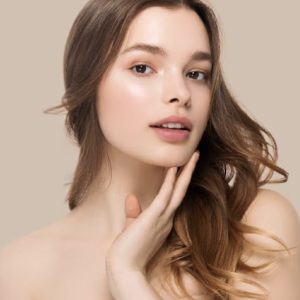
Elegant woman with flawless skin and soft makeup for aesthetic skincare.

Photogenesis for Acne Scars and Texture

Addressing Scarring Without Aggressive Resurfacing

Acne scars don’t just affect how your skin looks. They change the texture, creating dips, valleys, and uneven patches that catch light differently and feel rough to the touch. Traditional laser treatments for scarring often involve aggressive resurfacing that requires significant downtime and comes with higher risk. Photogenesis takes a gentler approach. By stimulating collagen and elastin production in the deeper layers of your skin, the treatment helps fill in depressed scars and smooth out texture irregularities from the inside out. The pulsed light also addresses the redness or brown discoloration that often accompanies acne scarring, giving you a more comprehensive result. Most people need multiple sessions to see meaningful improvement, typically two to six treatments spaced about a month apart. That’s because collagen production happens gradually—your skin needs time to rebuild and strengthen. But the benefit is that results develop naturally, without the raw, peeling recovery period that comes with more invasive procedures. You’re working with your skin’s natural healing process, not forcing it.
Photogenesis FAQs

Common Questions About Our Service

Most people see noticeable improvement after two treatments, but the exact number depends on what you’re treating and how severe the discoloration or scarring is. For mild concerns like light sun spots or minor uneven tone, you might only need two to three sessions. If you’re dealing with deeper acne scars, stubborn hyperpigmentation, or significant sun damage, you’ll likely need four to six treatments spaced about four weeks apart. We’ll assess your skin during your consultation and give you a realistic timeline. Some improvement is often visible within two to three weeks after your first session, but results build over time as your skin continues producing new collagen and shedding damaged cells.
Most people describe the sensation as a mild snapping or tingling feeling, similar to a rubber band lightly flicking against your skin. There’s also a warming sensation as the light energy reaches the deeper layers of your skin. It’s not painless, but it’s generally well-tolerated without numbing cream. The discomfort is brief—each pulse lasts only a fraction of a second. After treatment, your skin might feel like it has a mild sunburn for a few hours, but this typically subsides quickly. If you have particularly sensitive skin or are treating a more delicate area, let us know beforehand. We can adjust the settings or take extra steps to make you more comfortable.
Yes, and this is actually one of the advantages of Photogenesis over some other laser treatments. It’s much less likely to trigger post-inflammatory hyperpigmentation in people with olive or brown skin tones. That said, it’s still important to work with experienced providers who understand how to adjust the settings for your specific skin type. The treatment works by targeting pigment, so there’s always some level of consideration needed when treating darker skin. During your consultation, we’ll evaluate your skin tone and discuss whether Photogenesis is the right fit or if another treatment might be better suited to your needs. Customization is key—what works for one person’s skin won’t necessarily be the best approach for another.
There’s minimal downtime. You might have some redness immediately after treatment, similar to a mild sunburn, but this usually fades within a few hours. Most people return to work or their regular activities the same day. If you were treated for pigmentation issues like age spots or sun damage, those areas will temporarily darken over the first few days before they start to flake off and fade within one to three weeks. You can wear makeup the next day if needed. The main thing you need to be careful about is sun exposure—your skin will be more sensitive after treatment, so wearing sunscreen and avoiding direct sun is important while your skin heals and renews itself.
Photogenesis uses intense pulsed light, which emits multiple wavelengths of light rather than a single focused wavelength like traditional lasers. This allows it to target different types of pigmentation and vascular issues at the same time, making it versatile for treating multiple concerns in one session. It’s also generally gentler than ablative lasers, which means less downtime and lower risk of complications. However, because it’s less aggressive, you typically need more sessions to achieve comparable results to what you might get from a single, more intensive laser treatment. The tradeoff is that recovery is easier and you can fit treatments into your schedule without having to take time off or hide while your skin heals.
The spots and discoloration that are treated won’t come back, but your skin doesn’t stop aging and new damage can occur over time. If you continue to get sun exposure without protection, new age spots and pigmentation issues can develop. That’s why maintenance is important—most people benefit from follow-up treatments every six to twelve months to keep their skin looking clear and even. Think of it like maintaining your car. The work you do now makes a real difference, but you can’t ignore upkeep and expect things to stay perfect forever. Protecting your skin with daily sunscreen, avoiding excessive sun exposure, and scheduling periodic touch-up sessions will help you maintain the results you achieve.

Consultation and Skin Assessment

We evaluate your skin type, discuss your specific concerns, and create a customized treatment plan based on what you want to address.

Treatment Session

A cooling gel is applied to your skin, then the IPL device delivers pulses of light to the treatment area. Most sessions take 20-30 minutes depending on the area being treated.

Post-Treatment and Results

You may notice slight redness immediately after, which typically fades within a few hours. Over the next two to six weeks, you'll see gradual improvement as treated areas fade and skin texture smooths.