
Exclusive sales on ALL Dermal Fillers & Injectables!
Hear From Our Clients
A reputation built on 350+ client experiences across our premier locations.
You’re done with the cycle. No more razor burn on Monday. No more last-minute panic before the beach. No more budgeting for wax appointments every month.
Laser hair removal gives you permanent hair reduction—80 to 90 percent after your treatment series. That means the hair that’s been taking up space in your routine, your budget, and your headspace is mostly gone. For good.
You get smoother skin. Fewer ingrown hairs. No more irritation from constant shaving. And the freedom to throw on whatever you want without checking the mirror first or reaching for a razor. It’s not magic. It’s just what happens when you target the problem at the root instead of scraping the surface every few days.
We’ve been serving St. Albans and the greater Queens area for over 15 years. Our practice is led by Jennifer Anne Di Landro, a celebrity injector and Allergan Top 100 practitioner, with board-certified medical oversight from Dr. Sophia Lubin.
This isn’t a side service. Laser hair removal is one of the core treatments we offer at Dolce Aesthetics, alongside injectables, facials, and other FDA-approved cosmetology services. Our team knows how to work with different skin tones, hair types, and treatment areas—because we’ve done it thousands of times.
St. Albans residents don’t have to travel far for professional care. We have multiple locations throughout Queens, making it easier to fit appointments into your actual schedule instead of rearranging your life around them.

First, you come in for a consultation. We assess your skin type, hair color, and the areas you want treated. We’ll map out how many sessions you’ll likely need and what kind of results to expect.
Before each session, you shave the treatment area. The laser works by targeting the pigment in the hair follicle beneath your skin, so the hair needs to be short but the root intact. Waxing or plucking pulls the root out, which defeats the purpose.
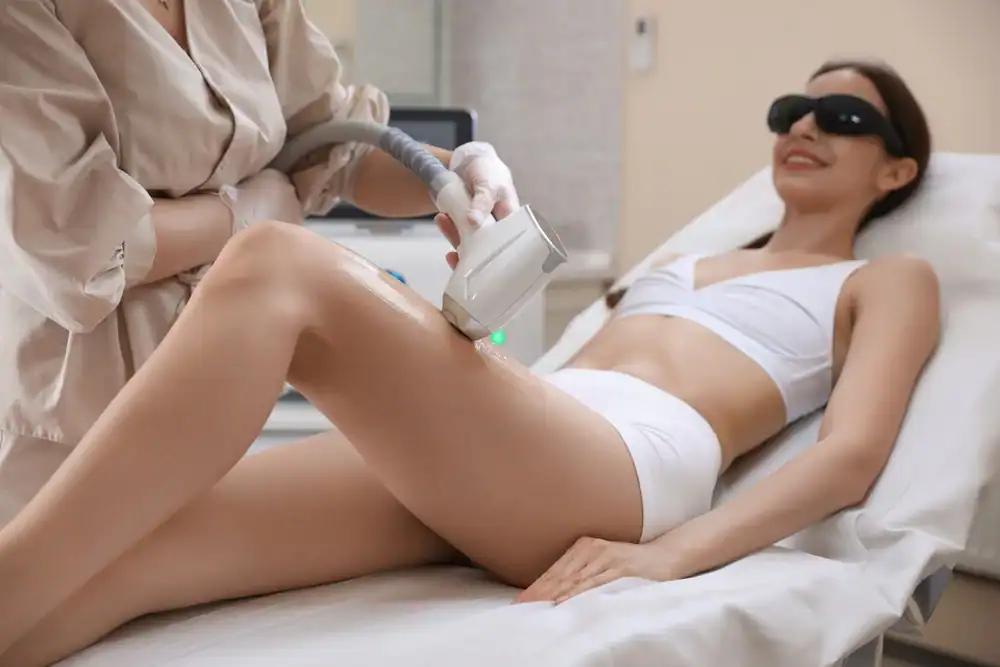
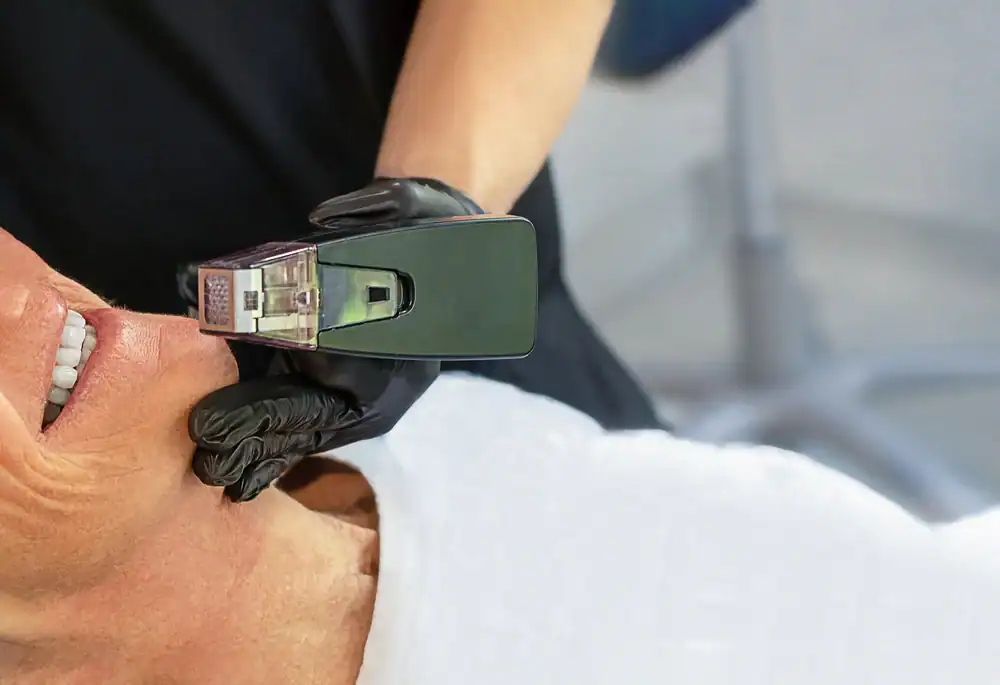
During the session, a laser device is passed over your skin. It emits concentrated light that’s absorbed by the melanin in your hair. That light turns to heat, which damages the follicle and stops it from producing new hair. Each pulse takes a fraction of a second and treats multiple hairs at once. Small areas like the upper lip take a few minutes. Larger areas like legs or back take under an hour.
You’ll feel a warm sensation—some people compare it to a rubber band snap. Modern systems have cooling mechanisms built in to keep you comfortable. There’s no downtime. You might see some redness for a few hours, but you can go right back to your day.
Sessions are spaced four to six weeks apart because hair grows in cycles. The laser only works on hair in the active growth phase, so multiple treatments ensure you’re catching all the follicles as they cycle through. Most people need three to seven sessions depending on the area and their hair type.

Ready to get started?
Our laser hair removal uses FDA-cleared technology designed for safe, effective permanent hair reduction. You can treat almost any area—face, underarms, legs, back, chest, bikini line, Brazilian, arms, wherever you’re tired of dealing with unwanted hair.
Each treatment targets the hair follicles directly, damaging them so they can’t produce new growth. After your initial series, you’ll see an 80 to 90 percent reduction in hair. The hair that does grow back tends to be finer, lighter, and way less noticeable.
Here’s what that means for St. Albans residents specifically: you’re not dealing with the humidity and heat of a New York summer while also trying to keep up with constant shaving. You’re not spending money every month on waxing appointments in Queens when that money could go toward literally anything else. You’re not racing to get ready because you forgot to shave and now you’re running late.
The cost depends on the area you’re treating. Smaller areas like the upper lip or underarms are less expensive than full legs or back. But when you compare the lifetime cost of razors, shaving cream, waxing appointments, and the time you spend on all of it, laser hair removal pays for itself. You’re investing in fewer sessions up front for years of results.
We also offer consultations and package deals, so you’re not guessing what this will cost or whether it’s right for you. You get a clear plan based on your specific needs.

Most people need between three and seven sessions to see optimal results, but it depends on the area you’re treating and your hair type. Hair grows in cycles—active growth, transition, and resting—and the laser only works when hair is actively growing. That’s why you can’t just do one session and call it done.
Sessions are spaced four to six weeks apart to catch different follicles as they enter the growth phase. Coarser, darker hair on areas like the legs or bikini line might need more sessions. Finer hair on the face might need fewer. Hormones, genetics, and even medications can affect how your hair grows, so your treatment plan gets tailored to you.
After your initial series, most people see 80 to 90 percent permanent hair reduction. Some might need a touch-up session once a year or every couple of years, especially if hormonal changes trigger new growth. But that’s still way less maintenance than shaving every few days or waxing every month for the rest of your life.
It’s not painless, but it’s not unbearable either. Most people describe it as a warm pinprick or the snap of a rubber band against your skin. It’s quick—each pulse lasts a fraction of a second—and modern laser systems have built-in cooling mechanisms that make it more comfortable.
Your pain tolerance and the area being treated both matter. Sensitive areas like the bikini line or underarms might feel more intense than, say, your legs or arms. But it’s still generally less painful than waxing, and it’s over faster.
If you’re worried about discomfort, talk to us before the session. We can adjust settings, use a cooling gel, or offer other options to keep you comfortable. The discomfort is temporary. The results last years. That trade-off works for most people.
Laser hair removal is classified as permanent hair reduction, not complete permanent removal. That’s an important distinction. After finishing your treatment series, you’ll see about 80 to 90 percent of the hair in the treated area gone for good. The hair that does grow back tends to be much finer, lighter, and less noticeable.
The laser works by damaging the hair follicle so it can’t produce new growth. Once a follicle is destroyed, it’s done. But not every follicle gets destroyed in one session, which is why you need multiple treatments. And some follicles might recover over time, especially if there are hormonal changes like pregnancy, menopause, or certain medications.
So while you might need an occasional touch-up session down the line, you’re still looking at years of smooth skin with minimal maintenance. Compare that to shaving every couple of days or waxing every month, and the difference is obvious. It’s not forever-ever for every single hair, but it’s as close as you’re going to get without electrolysis, which takes way longer and costs more.
The cost depends on the size of the area you’re treating and how many sessions you need. Smaller areas like the upper lip or underarms typically cost less per session than larger areas like full legs, back, or chest. Industry averages put single sessions anywhere from around $100 for small areas to over $1,000 for large areas, but pricing varies by provider.
At Dolce Aesthetics NY, you’ll get a clear cost estimate during your consultation based on your specific treatment plan. We offer package deals that reduce the per-session cost when you commit to a full series up front. That makes it more affordable and ensures you’re not paying full price every time you come in.
Here’s the bigger picture: the average person spends over $20,000 on waxing over 30 years. Add in razors, shaving cream, and the time cost of doing it yourself, and the numbers get even higher. Laser hair removal is an upfront investment, but it pays for itself in what you’re not spending—and not doing—for the next several decades. You’re buying back your time and your budget.
Before your session, shave the treatment area the night before or the morning of your appointment. The laser targets the pigment in the hair follicle beneath your skin, so the hair needs to be short but the root still intact. Don’t wax, pluck, or use depilatory creams for at least six weeks before treatment—those methods remove the root, and the laser needs it there to work.
Avoid sun exposure and tanning beds for at least six weeks before and after each session. Tanned or sunburned skin makes the treatment less effective and increases your risk of side effects like irritation or pigment changes. If you’re going to be outside, wear sunscreen. Skip any blood-thinning medications like aspirin or ibuprofen if your doctor says it’s okay, since they can increase sensitivity.
After your session, treat your skin gently. You might see some redness or feel like you have a mild sunburn for a few hours. That’s normal. Use a cool compress or aloe if it’s uncomfortable, and avoid hot showers, saunas, or intense workouts for 24 hours. Keep wearing sunscreen on the treated area. Over the next few weeks, the treated hair will start to fall out on its own—don’t pick at it or try to speed it up. Just let it happen.
Laser hair removal works best on people with light skin and dark hair because the contrast makes it easier for the laser to target the pigment in the hair follicle. But modern laser technology has come a long way, and there are systems designed to work safely and effectively on darker skin tones too.
The key is finding a practitioner who has experience treating your specific skin tone and uses the right equipment. If the settings aren’t adjusted properly, darker skin can absorb too much of the laser’s energy, which increases the risk of burns, irritation, or pigment changes. That’s why it matters who’s doing your treatment.
Hair color also plays a role. The laser targets melanin, so it works well on dark brown or black hair. Blonde, red, gray, or white hair doesn’t have enough pigment for the laser to latch onto, which means it won’t be as effective. If you have light-colored hair, electrolysis might be a better option. During your consultation at Dolce Aesthetics NY, we’ll assess your skin and hair type and let you know what kind of results you can realistically expect.
Other Services we provide in St. Albans