
Exclusive sales on ALL Dermal Fillers & Injectables!
Hear From Our Clients
A reputation built on 350+ client experiences across our premier locations.
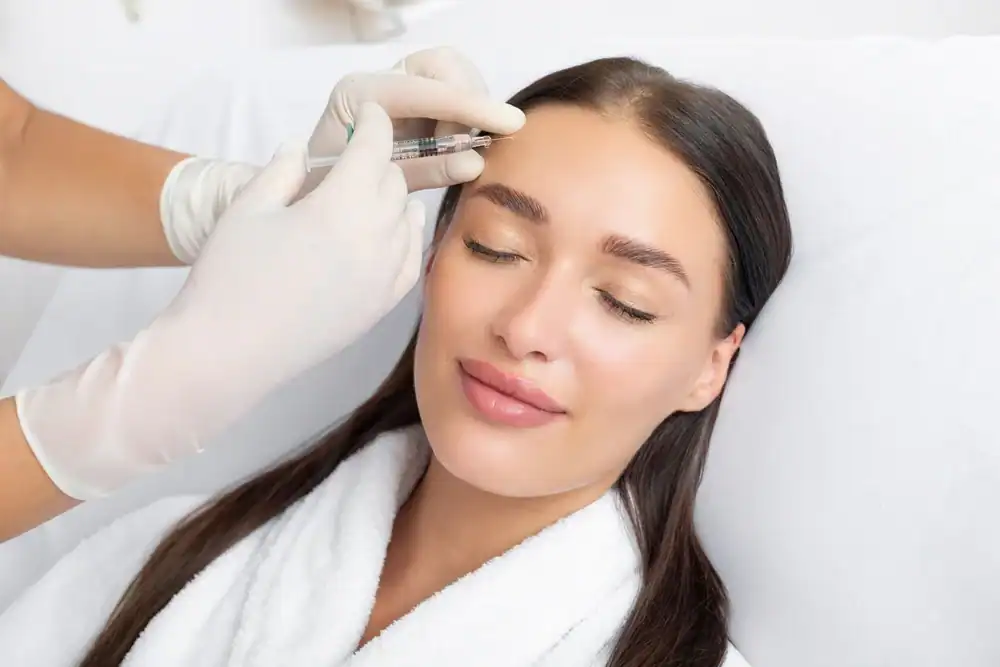
Here’s what actually happens when Botox is placed correctly. Those forehead creases that show up every time you raise your eyebrows start to relax. The crow’s feet that deepen when you smile soften without erasing your expression. Frown lines between your brows ease up so you stop looking tired when you’re not.
You’re not frozen. You’re not expressionless. You just look rested.
The procedure takes about 15 minutes. You’ll feel a quick pinch with each injection—that’s it. Most people schedule it during lunch and go right back to work. No bandages, no recovery time, no one needs to know unless you tell them. Initial results show up within a few days, and the full effect settles in around two weeks. It lasts three to six months, depending on how your body metabolizes it.
We’ve been serving Queens as a trusted med spa since 2009, and our credentials aren’t just marketing talk. Jennifer Anne Di Landro is an Allergan Top 250 injector—ranked 176 in the entire country. That’s not self-proclaimed; it’s verified by the company that makes Botox. She’s also a Merz Aesthetics Black Diamond Top Injector and holds Expert Level V certification, the highest injector level available.
She’s been doing this for over 18 years. Thousands of patients. Continuous training with Allergan, Merz, and PALETTE. This isn’t a side service at a spa—it’s what we specialize in.
Hollis Hills residents don’t have to travel into Manhattan for this level of expertise. You’re close to Cunningham Park, near well-maintained streets where people take care of their homes and themselves. You expect quality, and you should get it when it comes to your face.
First, you’ll sit down for a consultation. This is where you talk about what bothers you—maybe it’s the horizontal lines across your forehead, or the elevens between your brows, or those fine lines around your eyes. We’ll look at your facial anatomy, watch how your muscles move when you make expressions, and map out a plan that makes sense for your face.
On treatment day, your skin gets cleaned. Then, using a very fine needle, small amounts of Botox are injected into specific muscles. You might feel a slight sting or pinch, but it’s quick. The whole appointment usually wraps up in 10 to 15 minutes. No numbing required for most people, though it’s available if you want it.
Botox works by blocking the nerve signals that tell your facial muscles to contract. When those signals are interrupted, the muscles relax. The skin above them smooths out. You’ll start noticing changes within three to five days, and the full result appears around the two-week mark. Effects typically last three to six months before you’ll want a touch-up to maintain the results.
Ready to get started?
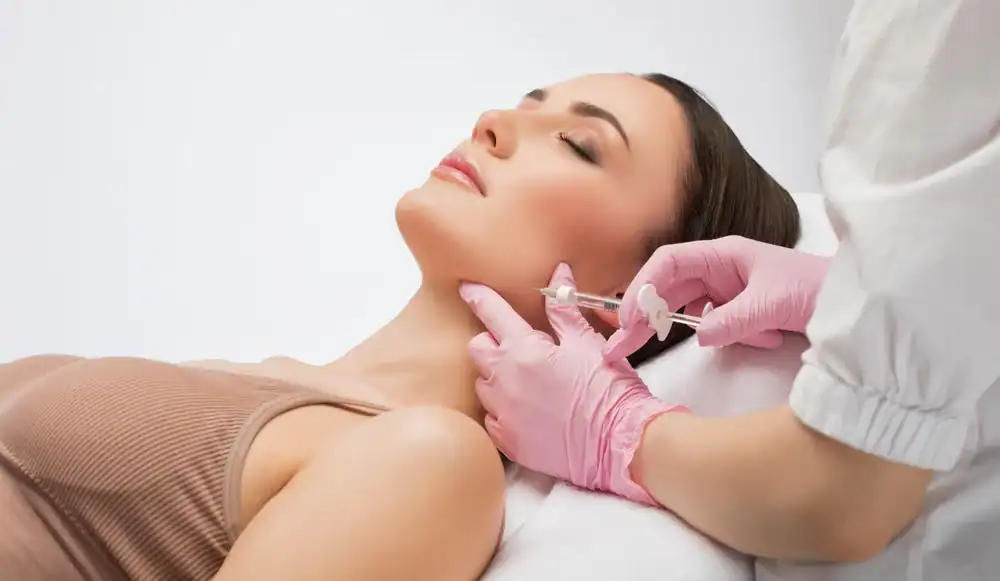
Botox does more than smooth forehead lines. Masseter Botox, for example, targets the large chewing muscles along your jawline. If you grind your teeth at night, clench your jaw during the day, or wake up with headaches and a sore face, this can help. It relaxes the masseter muscle, which reduces the intensity of grinding and alleviates TMJ pain.
There’s also a cosmetic benefit. An overactive or enlarged masseter muscle can make your lower face look square or wide. Botox injections in this area gradually slim the muscle, creating a more contoured, V-shaped jawline. The slimming effect takes a bit longer to show—usually around 8 to 12 weeks—but it’s noticeable and it lasts.
Beyond that, Botox is FDA-approved for chronic migraines and excessive sweating. If you’re dealing with severe underarm sweating that doesn’t respond to regular antiperspirants, Botox can block the nerve signals that trigger sweat glands. It’s a medical solution, not just a cosmetic one.
Hollis Hills is a neighborhood where people value function and form. You’re not looking for gimmicks. You want treatments that solve real problems and fit into a real life. Botox, when administered by someone who knows facial anatomy and has years of hands-on experience, does exactly that.
You won’t see results immediately. Botox needs time to take effect because it works by blocking nerve signals to your muscles, and that process isn’t instant.
Most people start noticing changes within three to five days. You’ll see lines beginning to soften and your face looking a bit more relaxed. Full results typically show up around the two-week mark. That’s when the treatment has fully settled and you can see the complete smoothing effect.
As for how long it lasts, expect three to six months. Some people metabolize Botox faster, others slower. Factors like your age, muscle strength, and how expressive you are all play a role. When you start to see those lines creeping back, that’s your signal to schedule a follow-up. Many people come in every three to four months to stay ahead of it. With regular treatments, some patients find their muscles start to relax more easily over time, which can extend the interval between appointments.
The needle used for Botox is very fine, so most people describe the sensation as a quick pinch or sting. It’s not painless, but it’s also not the kind of discomfort that requires pain management. The whole injection process takes about 10 to 15 minutes, and then you’re done.
If you’re particularly sensitive or anxious about needles, we can apply a topical numbing cream or use ice to dull the area before injecting. Most people don’t bother with it, but the option is there.
As for downtime, there really isn’t any. You might see some redness or slight swelling at the injection sites, but that fades within a few hours. You can go back to work, run errands, pick up your kids—whatever your day looks like. The main aftercare rules are simple: don’t lie down for three to four hours after treatment, don’t rub or massage the treated areas for about 24 hours, and skip the gym for a day. That’s it. This is why Botox is often called a “lunchtime procedure”—it fits into your schedule without disrupting your life.
Masseter Botox targets the masseter muscle, which is one of the main muscles you use for chewing. It’s located along the sides of your jaw, right where you can feel a bulge when you clench your teeth.
Some people have naturally larger masseter muscles. Others develop them from habits like grinding teeth, chewing gum constantly, or clenching their jaw due to stress. When these muscles are overdeveloped, they can make the lower face look square or wide, which some people find masculine or bulky.
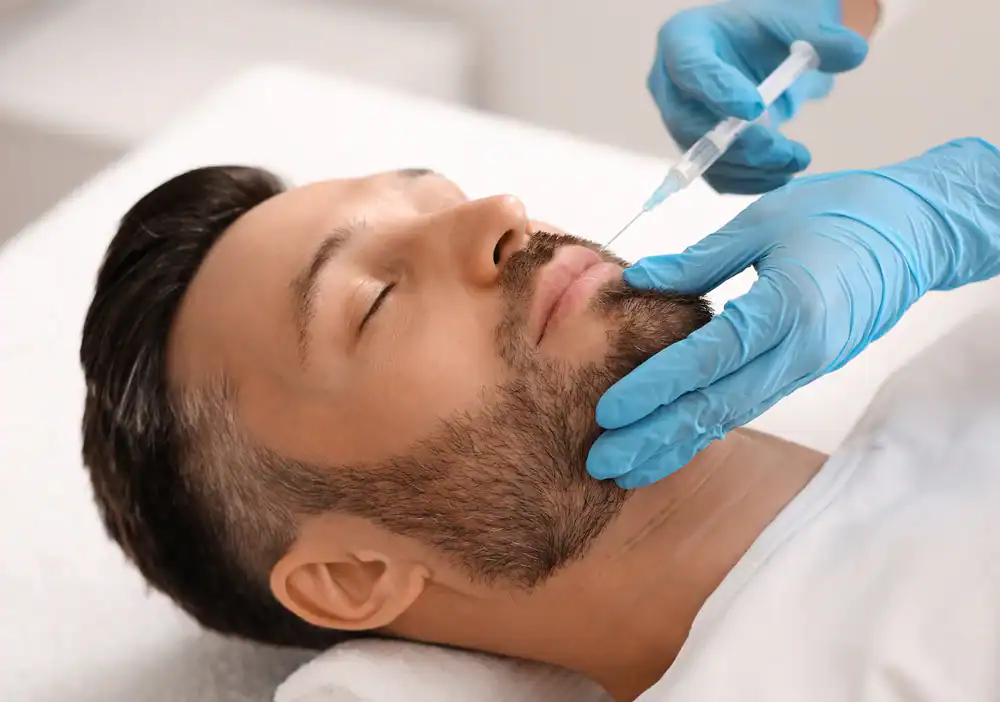
Botox injected into the masseter relaxes the muscle. Over time—usually 8 to 12 weeks—the muscle shrinks because it’s not working as hard. This creates a slimmer, more contoured jawline with a V-shaped appearance. It’s a gradual change, not an overnight transformation, but it’s noticeable. The slimming effect lasts about three to six months, similar to Botox used for wrinkles. Beyond the cosmetic benefit, masseter Botox also helps with teeth grinding, jaw clenching, TMJ pain, and tension headaches caused by overactive jaw muscles. It’s one of the most versatile anti-aging treatments available because it addresses both function and appearance.
Botox has been used medically since the 1970s and was FDA-approved for cosmetic use in 2002. When administered by a trained, experienced provider who understands facial anatomy, it’s considered very safe. Millions of treatments are performed every year with a strong safety record.
That said, side effects can happen. The most common ones are minor: redness, swelling, or bruising at the injection sites. These typically resolve within a few hours to a few days. Some people get a mild headache after treatment, which goes away on its own.
Rare but possible complications include eyelid drooping or a crooked smile. This usually happens when Botox spreads to nearby muscles, often because the injection wasn’t placed correctly or the patient rubbed the area too soon after treatment. It’s temporary and will resolve as the Botox wears off, but it’s one reason why choosing an experienced injector matters. You’re not just paying for the product—you’re paying for precision and knowledge of where to place it and how much to use. Contraindications include pregnancy, breastfeeding, certain neuromuscular disorders, and allergies to botulinum toxin. A thorough consultation will identify any potential risks before you proceed.
If you have dynamic wrinkles—the kind caused by repeated facial movements like frowning, squinting, or raising your eyebrows—you’re likely a good candidate. These are the lines that show up when you make expressions and may start to linger even when your face is at rest. Botox is designed to smooth those.
It’s also effective if you’re dealing with jaw tension, teeth grinding, TMJ pain, or want a slimmer jawline from masseter treatment. Medical applications like chronic migraines or excessive sweating are FDA-approved uses as well.
You’re not a good candidate if you’re pregnant, breastfeeding, or have certain neurological conditions like myasthenia gravis or ALS. If you have an active skin infection in the treatment area, you’ll need to wait until it clears. People with allergies to botulinum toxin or any ingredients in Botox should avoid it.
The best way to know for sure is to schedule a consultation. We’ll evaluate your facial anatomy, discuss your goals, review your medical history, and determine whether Botox is the right fit. It’s also a chance to ask questions, see before-and-after photos, and get a clear picture of what to expect. No pressure, just information so you can make an informed decision.
Before your appointment, avoid blood thinners if possible. That includes aspirin, ibuprofen, fish oil, vitamin E, and certain supplements. These can increase bruising. If you’re on prescription blood thinners, talk to your doctor before stopping anything. It’s also smart to skip alcohol for at least 24 hours before treatment, as it thins the blood and raises the risk of bruising. Staying hydrated and keeping your skin moisturized in the days leading up to your appointment can also help.
After your treatment, the rules are simple but important. Don’t lie down or lean your head forward for three to four hours. This helps prevent the Botox from migrating to areas where it shouldn’t go. Don’t rub, massage, or apply pressure to the treated areas for at least 24 hours. Skip strenuous exercise, saunas, hot showers, and anything that significantly raises your body temperature for the first day.
You can wear makeup if you need to, but avoid applying it directly on the injection sites for a few hours. Keep your skincare routine gentle—no harsh scrubs or aggressive treatments right after. Most people resume normal activities immediately, but following these guidelines helps ensure the Botox stays where it was placed and you get the best possible results. We’ll give you specific aftercare instructions tailored to your treatment.
Other Services we provide in Hollis Hills