

Exclusive sales on ALL Dermal Fillers & Injectables!

How to Extend Your Glow: Post-Care Tips for Your Next Brooklyn or Queens Facial

You just left your facial glowing — now what? The choices you make in the next 48 hours determine how long that glow actually sticks around.

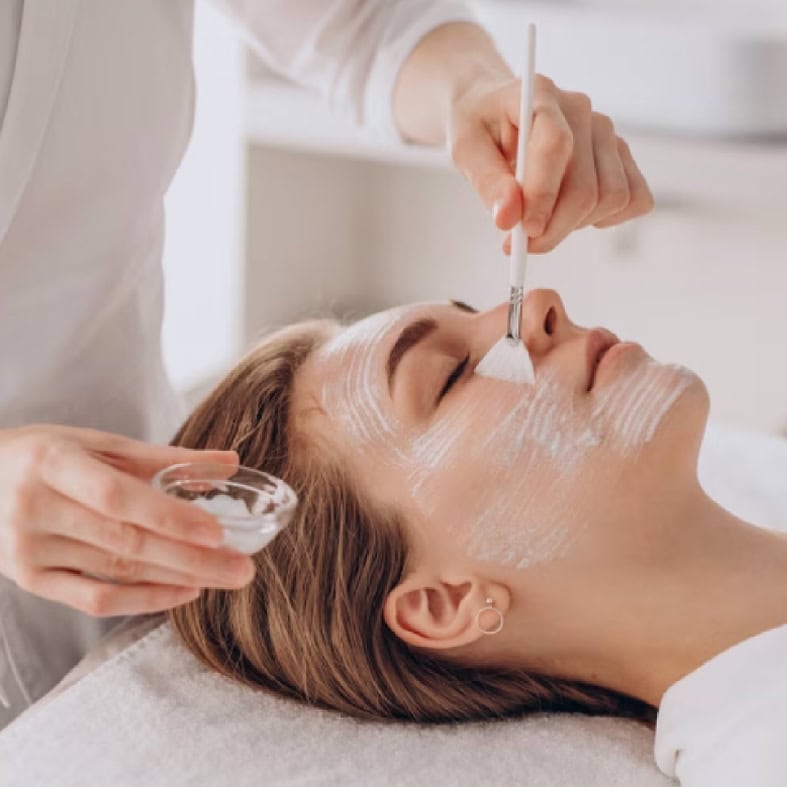
Woman receiving a facial treatment at Dolce Aesthetics in Alley Pond Park, NY.

You walk out of your facial feeling like a different person. Skin looks clearer, brighter, more alive. And then, a few days later, it’s like it never happened.

That’s not a coincidence — and it’s not bad luck. For most people, the glow fades fast because no one told them what to do after the appointment. The post-care window is where results are either locked in or lost, and it’s the part of the process that most spas skip entirely.

Here’s what you actually need to know to make your facial work harder and last longer — especially if you’re living and commuting through Brooklyn or Queens.

Why What You Do After a Facial Matters More Than You Think

A professional facial — a real one, not a basic spa treatment — temporarily increases your skin’s permeability. That means the barrier is more open than usual, which is actually a good thing. Beneficial ingredients like hyaluronic acid and antioxidants absorb more effectively in this state. But it also means your skin is more vulnerable to irritants, bacteria, and environmental damage than it would be on any other day.

Think of the facial as clearing the path. What you apply, touch, or expose your skin to in the hours that follow either builds on that or undoes it. The immediate effects of a professional facial typically last five to seven days — but with the right post-care, you can extend that window significantly.

Most clients who maintain a consistent routine and come in monthly see compounding results over time, not just a temporary boost. That’s the difference between treating a symptom and actually changing your skin.

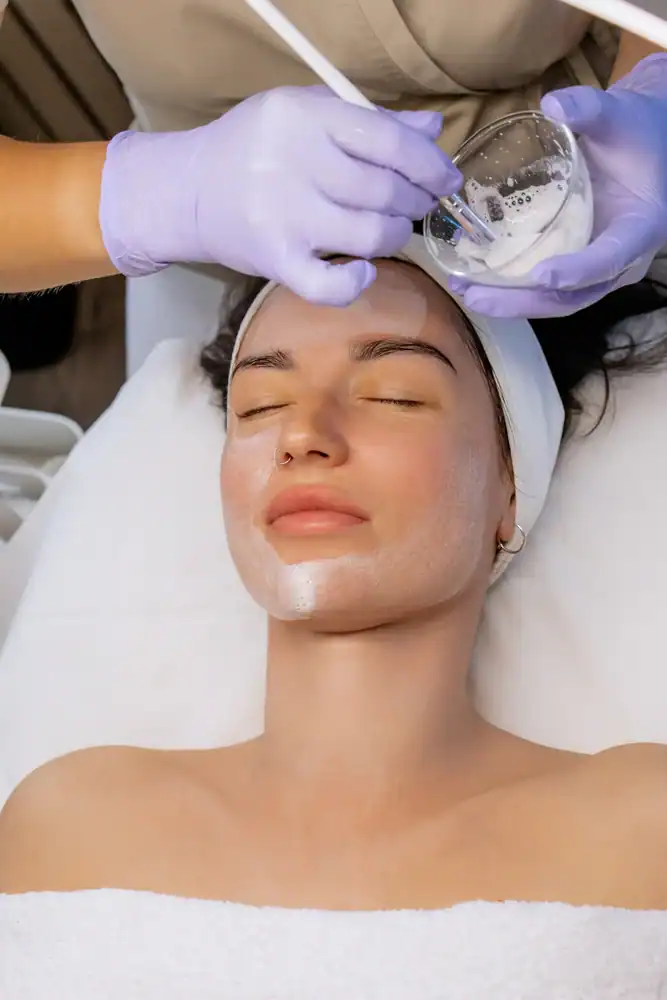
Woman receiving a facial treatment with skincare products at Dolce Aesthetics.

What to Avoid in the First 48 Hours After a Facial

The first 48 hours are the most important stretch of the entire process. Your skin is doing real work during this window — repairing, absorbing, recalibrating — and the wrong products or habits can interrupt that.

Retinoids and exfoliating acids like glycolic, lactic, or salicylic acid should stay out of your routine for at least three to five days after a standard facial, and longer after a deeper peel or resurfacing treatment. These ingredients are powerful in the right context, but applied too soon after a professional treatment, they can compromise the skin barrier rather than support it. The same goes for alcohol-based toners, which are harsher than they seem on freshly treated skin.

Touching your face is another one people underestimate. Your hands carry bacteria, and post-facial pores are more open than usual. One habit that seems harmless — resting your chin in your hand on the subway ride home — can introduce enough bacteria to trigger a breakout on skin that was just professionally cleared.

Working out is worth pausing too. Heat increases blood flow, which can cause flushing and inflammation in skin that’s already temporarily sensitized. Sweat introduces bacteria. Waiting 24 hours before your next gym session is a simple way to protect what you just paid for.

The short version: keep it gentle, keep it clean, and let your skin do its thing without interference. A mild cleanser, a fragrance-free moisturizer, and a broad-spectrum SPF 30 or higher are all you need for the first couple of days.

Why Brooklyn and Queens Skin Needs a Different Kind of Post-Care Plan

Generic post-facial advice is written for a generic reader. If you live in Brooklyn or Queens, your skin is dealing with things that most aftercare guides don’t account for.

The subway alone is a factor most people don’t think about. The metal particulate matter released by rail braking is fine enough to embed in open pores, and post-facial skin — freshly exfoliated and more permeable than usual — is especially vulnerable to it. If you’re hopping on the R train from Bay Ridge or the A out of Howard Beach after your appointment, your skin is encountering that environment at the worst possible moment. Applying SPF before you leave and avoiding touching your face on the commute home are two small habits that make a real difference.

City air quality more broadly — vehicle exhaust, construction dust, urban particulate — contributes to oxidative stress on skin cells and accelerates dullness and congestion over time. This is part of why Brooklyn and Queens residents often need corrective facials in the first place, and it’s why protecting freshly treated skin from that environment matters more here than it would in a quieter setting.

New York’s seasonal extremes add another layer. Winters here are brutal — cold outdoor air combined with dry forced-air heating indoors strips the moisture barrier fast. Summers bring humidity, sweat, and UV intensity that can cause hyperpigmentation, especially after any resurfacing treatment. A post-care routine that works in October looks different from one that works in July, and if you’re not adjusting for the season, you’re leaving results on the table.

Hard tap water is a smaller but real factor too. NYC tap water contains chlorine and minerals that can irritate skin that’s in a sensitized state. Rinsing with lukewarm — not hot — water and patting dry rather than rubbing goes a long way in those first few days.

Want live answers?

Connect with a Dolce Aesthetics expert for fast, friendly support.

Common Questions About Facial Aftercare, Answered Honestly

There’s a lot of conflicting advice out there about what to do after a facial, and some of it is genuinely confusing. Below are the questions we hear most often from clients in Brooklyn and Queens — with straight answers rather than vague reassurances.

These aren’t hypotheticals. They’re the actual concerns that come up before, during, and after appointments at Dolce Aesthetics NY, from clients who want to understand what’s happening with their skin and why.

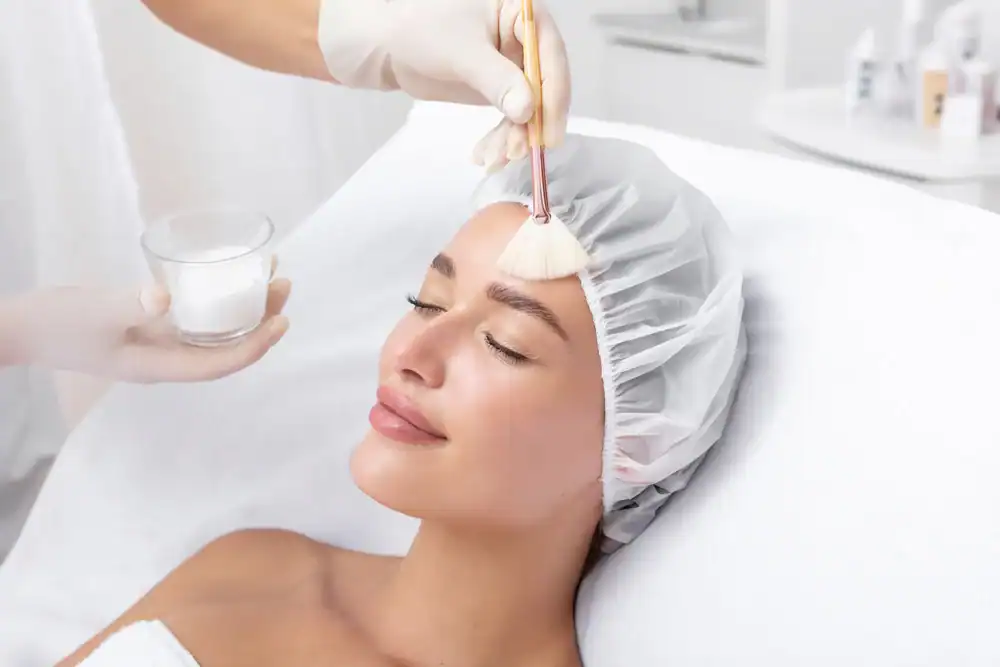
A woman receives a professional facial treatment at Dolce Aesthetics, highlighting skincare and rela.

Why Did I Break Out After My Facial? Is That Normal?

Yes — and it’s actually a sign the treatment worked, not a sign something went wrong.

When a professional facial accelerates cell turnover through exfoliation or extractions, it brings congestion that was already forming beneath the surface up faster than it would have on its own. This is called skin purging, and it’s a normal, temporary part of the skin reset process. It’s not a new breakout caused by the facial — it’s existing congestion becoming visible sooner because the treatment sped things up.

The difference between purging and a true reaction matters. Purging typically appears in areas where you already tend to break out, resolves within two to six weeks, and improves with each subsequent treatment as the backlog of congestion clears. A reaction — meaning the treatment or a product genuinely irritated your skin — tends to appear in new areas, doesn’t follow your normal breakout pattern, and doesn’t improve on its own without intervention.

If you’re breaking out after your appointment and you’re not sure which category you’re in, that’s exactly the kind of question worth bringing back to our team. At Dolce Aesthetics NY, every treatment is performed under medical supervision, which means if something unexpected happens after your appointment, there’s a clinical team available to help you figure out what’s going on and what to do about it. That’s a different level of support than you’d get from a standard day spa, where the esthetician may not have the training to distinguish between the two.

The one thing to avoid in either case: picking. It delays healing, risks scarring, and introduces bacteria to skin that’s already in a vulnerable state. Leave it alone and let the process run its course.

How Often Should You Get a Facial in Brooklyn or Queens?

The professional standard is once a month, and there’s a real reason for that — it’s not just a sales pitch.

Your skin completes a full cell turnover cycle roughly every 28 days. Monthly professional facials align with that cycle, which means each treatment builds on the last rather than starting from scratch. Clients who come in consistently see compounding results over time: clearer skin, more even tone, better texture, and a baseline glow that doesn’t require a special occasion to maintain.

For Brooklyn and Queens residents specifically, the case for monthly facials is even stronger. Urban air quality, commuter stress, seasonal extremes, and hard tap water all accelerate the skin concerns that bring people in for facials in the first place — congestion, dullness, uneven tone, and premature aging from oxidative stress. Waiting three or six months between appointments means you’re constantly playing catch-up rather than maintaining ground you’ve already gained.

That said, not every facial is the same, and the right frequency depends on what you’re treating. A brightening or hydration-focused facial every four weeks is appropriate for most skin types. A deeper resurfacing treatment like a chemical peel or microneedling session may require more spacing to allow full recovery. After your first appointment at Dolce Aesthetics NY, our team will examine your skin under magnification and give you a specific recommendation based on what we actually see — not a generic schedule that applies to everyone.

One thing worth noting for anyone planning around an event: don’t book a facial the day before. Five to seven days prior is the sweet spot. That gives your skin time to move through any initial sensitivity or minor purging and settle into the glow phase before your occasion.

Getting More From Every Facial You Book in Brooklyn or Queens

The appointment is only half of it. The glow you walk out with is real — but how long it lasts comes down to what you do in the days that follow. Protect your skin barrier, skip the actives for a few days, wear your SPF before you hit the street, and give your skin the space to do what the treatment set in motion.

If you’ve had facials before and felt like the results didn’t stick, post-care is usually where the answer is. And if you’ve broken out after a facial and written the whole thing off, it’s worth knowing that a properly supervised medical facial — with a real clinical assessment beforehand and actual aftercare guidance to take home — is a different experience than what most people have encountered.

Dolce Aesthetics NY serves clients across Brooklyn and Queens, and our team brings genuine clinical experience to every treatment. If you’re ready to see what consistent, medically supervised facial care actually does for your skin, we’d be glad to show you.

Summary:

Most people think the facial is the whole treatment. It’s not. What happens after you leave the table — what you put on your skin, what you avoid, how you handle the first 48 hours — is what separates a three-day glow from results that actually last. This guide breaks down exactly what to do after a facial at Dolce Aesthetics NY, why your skin behaves differently in Brooklyn and Queens, and how to get more out of every appointment you book.

Article details:

Share: