
Exclusive sales on ALL Dermal Fillers & Injectables!

Glass Skin Goals: How Botox and Clinical Facials Work Together in Brooklyn and Queens

Chasing that poreless, luminous look? Here's why Botox is only half the equation — and what clinical facials bring to the table.

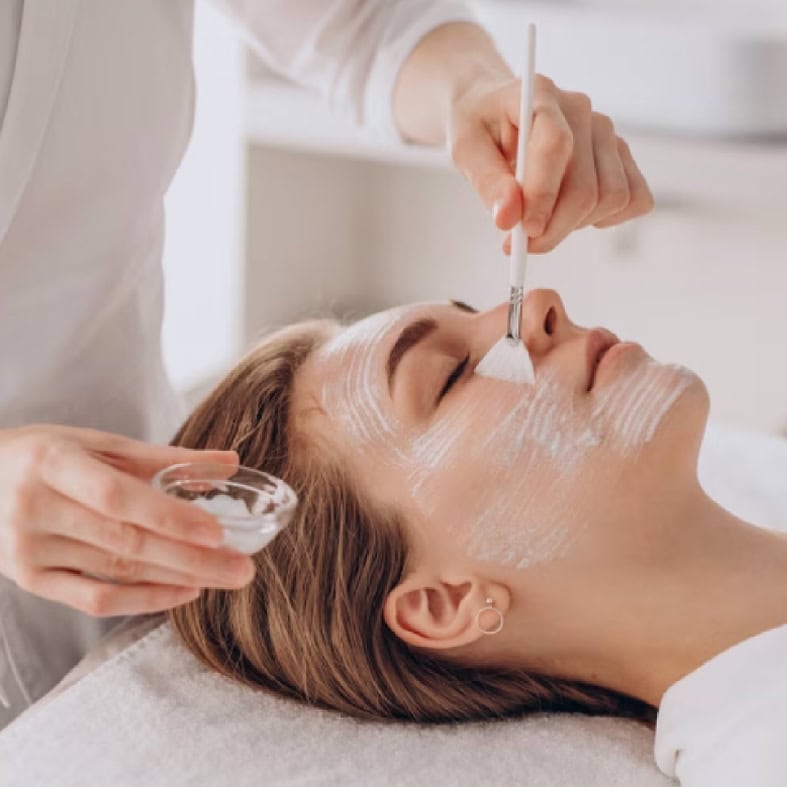
Woman receiving a facial treatment with skincare products at Dolce Aesthetics.

You’ve seen the look everywhere — skin so smooth and luminous it barely looks real. If you’ve started researching how to actually get there, you’ve probably run into two very different conversations: one about Botox, one about facials. What almost nobody tells you is that those conversations belong together.

Botox handles one part of the equation. Clinical facials handle another. Used separately, each one has limits. Used together — with the right timing and the right provider — they address your skin from two completely different angles at once. Here’s what that actually means, and why it matters if you’re living and working in Brooklyn or Queens.

Why Botox Alone Won't Give You Glass Skin

Botox is a muscle relaxer. That’s not a criticism — it’s just the mechanism. It works by temporarily blocking the nerve signals that tell your facial muscles to contract, which softens the dynamic lines that form when you squint, frown, or raise your eyebrows. Do that thousands of times a day for years, and those lines eventually stop disappearing when your face is at rest. Botox interrupts that process.

What it doesn’t do is change your skin’s surface. It won’t shrink pores, even out pigmentation, improve texture, or add any kind of luminosity or hydration. The “glass skin” look — that poreless, lit-from-within quality — requires work at the skin level, not just the muscle level. That’s where clinical facials come in.

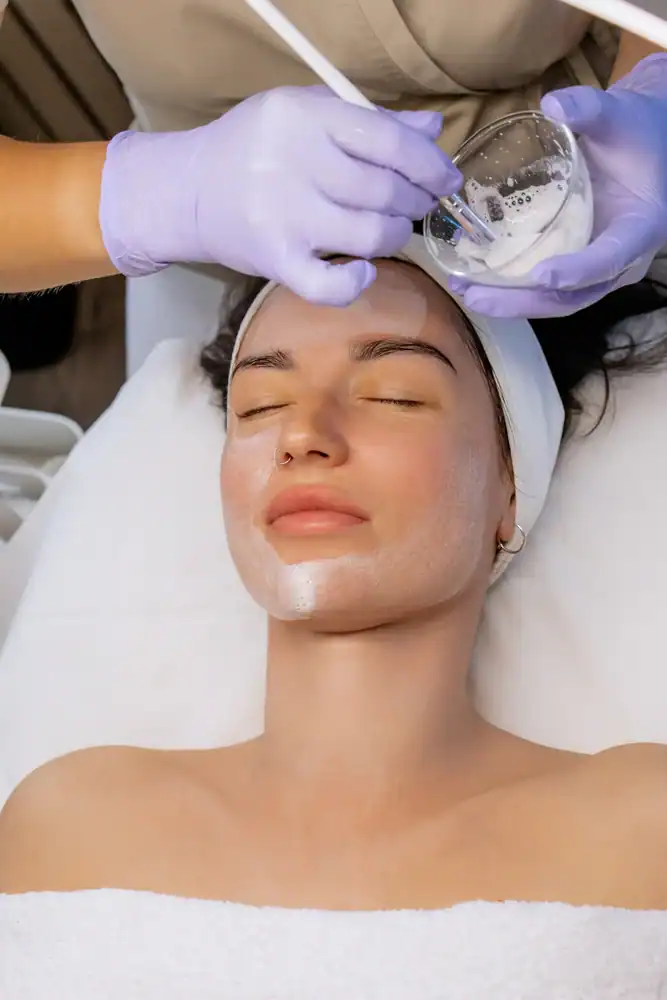
A woman receives a professional facial treatment at Dolce Aesthetics, highlighting skincare and rela.

What Clinical Facials Actually Do That Botox Can't

A clinical facial — and we’re not talking about a standard day spa treatment here — works at a fundamentally different level than what most people picture when they hear the word “facial.” Medical-grade chemical peels, microneedling, carbon facials, and prescription-strength treatment protocols address the things that live on and just beneath the surface of your skin: dead cell buildup, congestion, uneven pigmentation, dehydration, enlarged pores, and dullness.

These are the things that make skin look flat, tired, or textured even when it’s technically healthy and wrinkle-free. And they’re also the things that no amount of Botox will touch. A 2021 study published in the Journal of Cosmetic Dermatology found significant benefits of micro-Botox for texture refinement and pore reduction — but even that application works best when paired with treatments that address the skin’s surface directly.

For Brooklyn and Queens residents specifically, this matters more than people realize. The environmental load in New York City — subway particulate matter, diesel exhaust, humidity swings between seasons — creates a specific kind of skin congestion and oxidative stress that accelerates dullness and uneven texture. You’re not imagining it. The city is genuinely harder on your skin than most places, and a clinical facial series is one of the most effective ways to counteract that.

When we combine clinical facials with preventative Botox at Dolce Aesthetics NY, we’re addressing both layers simultaneously — the muscle activity that creates lines over time, and the surface conditions that prevent your skin from looking its clearest and most luminous. Neither treatment is a shortcut. Together, they’re a strategy.

How Preventative Botox Works — and Why Starting Earlier Actually Makes Sense

There’s a version of Botox most people are familiar with: you wait until lines are visible and deep, then you treat them. That model still works, but it’s no longer the only model — and for a lot of people, it’s not the smartest one.

Preventative Botox works differently. The idea is to relax the muscles responsible for expression lines before those lines become permanently etched into the skin. Every time you squint at your phone, furrow your brow in a meeting, or smile at someone on the subway, your facial muscles contract and fold the skin above them. Do that enough times over enough years, and the crease stops bouncing back. Preventative Botox interrupts that cycle early — not to freeze your face, but to reduce the repetitive folding that causes permanent lines to form.

In the U.S., over 2.2 million Botox treatments were performed on adults aged 18 to 34 in a single year — not because that age group already has deep wrinkles, but because they’ve figured out that maintenance is easier than correction. It’s the same logic as sunscreen: you’re not wearing it because you’re already burned.

The “frozen face” fear is real, and it’s understandable. But it’s almost always the result of over-injection or poor placement — not Botox itself. When dosing is precise and placement is anatomically informed, you keep full expression. You just stop accumulating the lines that come from years of repetitive muscle movement.

That distinction matters, and it’s one we take seriously at Dolce Aesthetics NY. Our lead injector, Dr. Jennifer DiLandro, has been doing this since 2001 — she was among the first nurses in New York State trained to administer Botox injections when it received FDA approval for cosmetic use. That’s over two decades of understanding exactly where to place product and how much to use for results that look like you, just clearer.

Want live answers?

Connect with a Dolce Aesthetics expert for fast, friendly support.

How We Combine Botox and Clinical Facials at Dolce Aesthetics NY

The combination approach isn’t complicated, but it does require sequencing. You don’t want to do a clinical facial immediately after Botox injections — the general guidance is to wait at least one to two weeks to let the Botox fully settle before applying any significant pressure or active treatment to the face.

Once that window passes, the two treatments work in a complementary rhythm. Botox typically lasts three to four months. Clinical facials, depending on the protocol, are often done monthly or on a schedule we recommend based on your skin’s specific needs. The result over time is skin that’s both structurally supported — fewer lines forming — and surface-optimized, meaning clearer, smoother, and more luminous with each session.

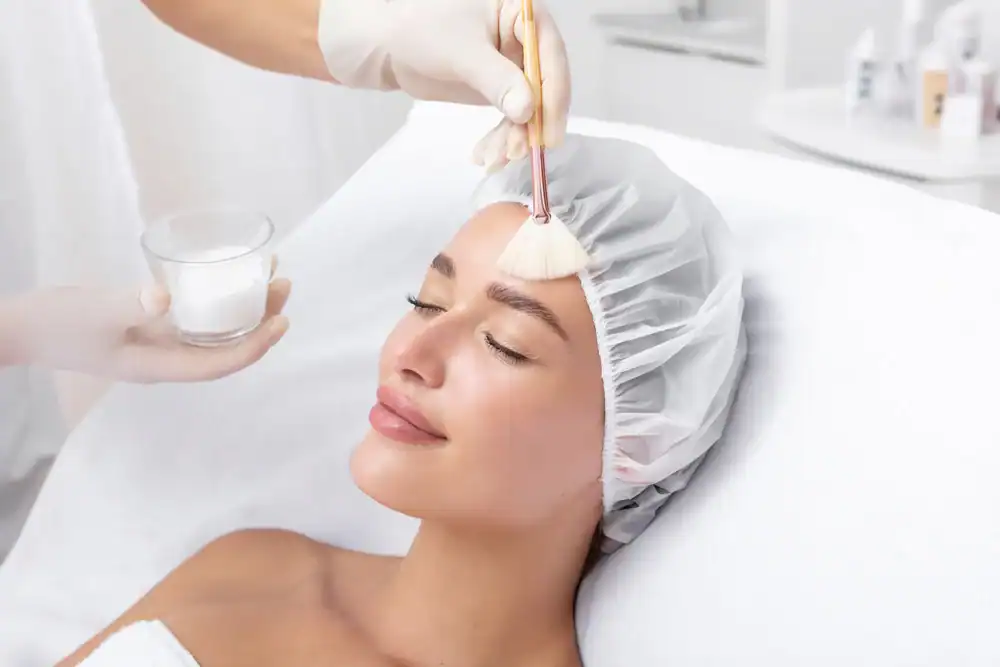
Woman receiving a facial treatment at Dolce Aesthetics in Alley Pond Park, NY.

What Does a Botox and Facial Treatment Plan Actually Look Like?

Every plan starts with a consultation — no exceptions. Before we recommend anything, we want to understand your skin, your goals, your medical history, and what’s actually driving the concerns you’re coming in with. That’s not a formality. It’s how you avoid wasting money on treatments that aren’t right for your situation.

From there, a typical combination plan might look something like this: Botox is administered first, targeting the areas where you’re most prone to dynamic line formation — forehead, between the brows, crow’s feet, or wherever your specific muscle activity is creating the most movement. You leave the appointment looking completely normal. Over the next week to ten days, the Botox gradually takes effect.

Then, once the product has fully settled, we layer in the clinical facial work. Depending on your skin type and concerns, that might mean a medical-grade chemical peel to address pigmentation and texture, a microneedling session to stimulate collagen and refine pore size, a carbon facial for deep cleansing and brightening, or a combination of these over a series of appointments.

For our patients in Glendale, Howard Beach, Bay Ridge, Kew Gardens, and across Brooklyn and Queens, this kind of structured plan is something you can realistically fit into your life. Most Botox appointments take thirty minutes or less with no downtime. Clinical facials vary, but many can be done in under an hour. You’re not committing to a full day — you’re committing to a schedule that works around a real Brooklyn or Queens life, which means commutes, work, kids, and everything else.

The goal isn’t to turn you into a different person. It’s to help your skin look like the clearest, most rested version of itself — consistently, not just on the day after a treatment.

Frequently Asked Questions About Botox and Facials in Brooklyn and Queens

One of the most common questions we get is whether Botox is safe for darker skin tones. The short answer is yes — Botox itself is not a surface treatment, so it doesn’t carry the same risks that certain lasers or chemical peels can for Fitzpatrick Type IV through VI skin when performed by an inexperienced provider. The injection goes into the muscle, not the skin’s surface. That said, the clinical facials we pair with Botox do require real expertise when treating deeper skin tones, particularly chemical peels, which can cause hyperpigmentation if the wrong formula or depth is used.

This is something we take seriously at Dolce Aesthetics NY. Brooklyn and Queens are among the most ethnically diverse places in the country — over 160 languages are spoken in Queens alone — and a significant portion of our patients have deeper skin tones. We adjust protocols accordingly, and we never apply a one-size-fits-all approach to facial treatments.

Another question we hear often: will my face look strange when the Botox starts to wear off? No. When Botox fades — typically around the three to four month mark — your face returns to exactly where it was before treatment. There’s no rebound effect, no worsening of lines, no dependency. If you’ve been using it preventatively, you may actually notice that your lines are less pronounced than they were before you started, because you’ve interrupted years of repetitive muscle movement. That’s the point.

People also ask whether they need to commit to both treatments indefinitely. You don’t have to do anything indefinitely. Some patients do Botox twice a year and a clinical facial series in between. Others come in more frequently. The plan we build with you is based on your goals and your budget — not on what produces the most appointments for us. We’d rather have a patient who comes back because they’re genuinely happy than one who feels locked into something they didn’t fully understand going in.

Finally, a question that comes up more than you’d expect: is the product actually real? After the FDA issued warnings in 2024 about counterfeit Botox circulating in the U.S. market, this became a legitimate concern. We use only FDA-approved, pharmaceutical-grade product, sourced through verified channels. Our Allergan Top 250 ranking and Merz Black Diamond Top Injector status aren’t just credentials — they’re also an indication of the volume and consistency of our sourcing relationship with the two largest Botox manufacturers in the world. You’re not getting something that came from an unknown supplier.

Ready to Build a Skin Plan That Actually Works in Brooklyn or Queens?

Glass skin isn’t a filter and it’s not a single treatment. It’s what happens when you address your skin at both the muscle level and the surface level — consistently, with the right protocols and a provider who understands the difference between the two.

If you’ve been sitting on the idea of Botox, or you’ve tried facials without seeing the results you wanted, the missing piece might just be that you’ve been working with half the equation. Combining preventative Botox with clinical facials — sequenced correctly and tailored to your skin — is how you actually get there.

We offer free consultations at Dolce Aesthetics NY in Brooklyn and Queens, and we’ll tell you honestly whether this combination makes sense for where your skin is right now. Reach out to get started.

Summary:

Glass skin isn’t a single treatment. It’s a result that comes from addressing two very different things at once: the muscle movement that carves lines into your face over time, and the surface-level texture, tone, and congestion that no injectable can fix on its own. This post breaks down how preventative Botox and clinical facials work together, why the combination matters more than either treatment alone, and what that actually looks like at Dolce Aesthetics NY — a Brooklyn and Queens med spa with physician oversight.

Article details:

Share: