
Exclusive sales on ALL Dermal Fillers & Injectables!
Thinking about Botox for the first time? Here's what actually happens — before, during, and after — so you can walk in knowing exactly what to expect.
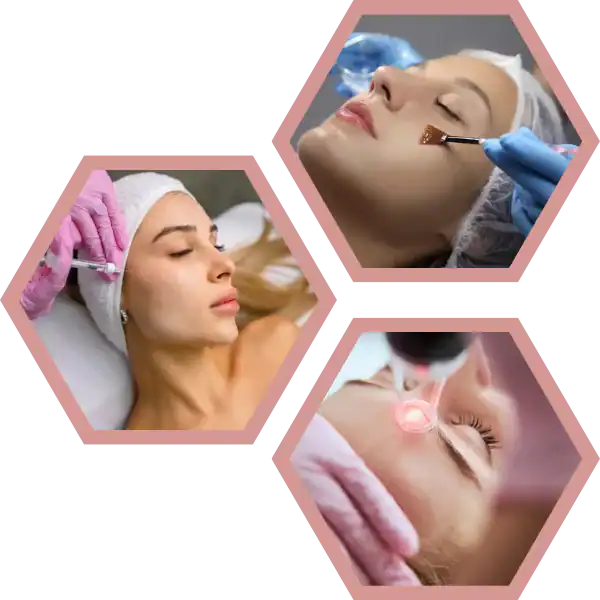
You’ve probably been thinking about this longer than you’d admit. Maybe it’s the forehead lines that show up in every photo. Maybe it’s the crow’s feet that make you look tired even when you’re not. Whatever brought you here, you’re not alone — and you’re not being vain for considering it.
Botox is the most common cosmetic procedure in the United States, with over 7.4 million treatments performed in 2024 alone. Most people just don’t talk about it. This guide covers how the treatment actually works, what to expect from your first appointment, and what to look for in a provider here in Brooklyn and Queens — so you can make a decision you feel good about.
Botox is a purified protein derived from botulinum toxin that temporarily relaxes the muscles responsible for expression lines. When those muscles contract repeatedly over years — every time you squint, frown, or raise your eyebrows — they eventually etch lines into the skin above them. Botox interrupts that cycle by blocking the nerve signal that tells the muscle to contract.
The treatment itself takes about 10 minutes. A few small injections, placed with precision at specific points on the face, and that’s it. There’s no downtime, no recovery period, and most people go straight back to their day. The results aren’t instant — more on that in a moment — but the process is genuinely straightforward once you understand what’s happening.
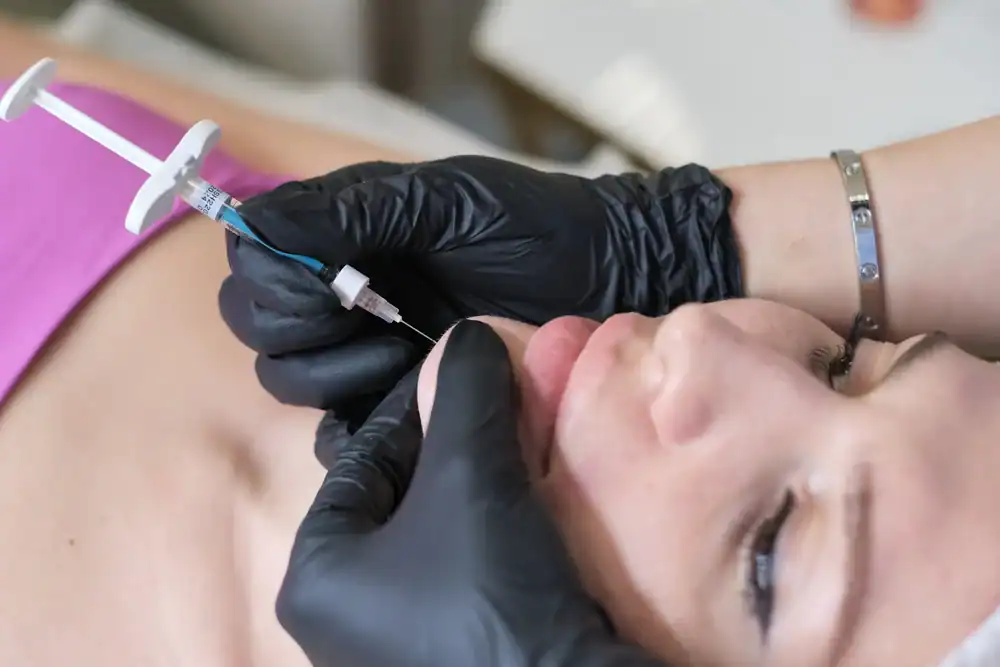
Most first-timers come in focused on one thing — usually forehead lines or the vertical creases between the brows that people call the “11s.” Those are the most common starting points, and for good reason. They’re the lines most likely to make you look tired, tense, or older than you feel, and they respond well to treatment.
But the treatable areas go well beyond the forehead. Crow’s feet around the eyes are another frequent concern, especially because they show up in photos and become more noticeable with age. Botox can also be used for a subtle brow lift, to soften lip lines, to slim the jawline by relaxing the masseter muscle, and to smooth the neck bands that develop over time. In October 2024, the FDA approved Botox Cosmetic specifically for neck bands in adults — expanding what’s possible for patients who’ve noticed changes in that area.
Beyond cosmetic applications, Botox has 15 FDA-approved therapeutic uses. That includes chronic migraines, hyperhidrosis (excessive sweating), and TMJ-related jaw tension and teeth grinding. These aren’t fringe applications — they’re well-established treatments that have been used clinically for decades. If you’ve been dealing with jaw pain or tension headaches and haven’t considered Botox as part of the conversation, it’s worth asking about.
The right starting point depends entirely on what’s bothering you most. A good injector won’t try to treat everything at once — they’ll help you prioritize based on your goals, your facial anatomy, and what will give you the most meaningful result.
This is where a lot of first-timers get caught off guard, because Botox doesn’t work the moment you leave the office. The first signs — a slight softening of movement in the treated muscles — typically show up within 48 to 72 hours. But you won’t see the full picture until about two weeks in, when the product has fully settled and the muscles have relaxed completely.
That two-week window matters. It’s why reputable providers schedule follow-up check-ins around that point — to assess the result and address any areas that need a small touch-up. If you’re getting Botox before a wedding, a reunion, or any event where you want to look your best, plan for at least three weeks of lead time. Two weeks for full results, plus a buffer in case anything needs to be refined.
Results typically last three to four months, though this varies from person to person. Factors like metabolism, how expressive your face is, and how much muscle mass you have in the treated area all play a role. Many patients find that with consistent treatments over time, results begin to last a bit longer — because the muscles gradually become less active from regular relaxation.
When the Botox wears off, your muscles simply return to normal. There’s no rebound effect, no worsening of lines beyond your original baseline. If you decide to stop after one treatment, your face goes back to exactly where it was.
Want live answers?
Connect with a Dolce Aesthetics expert for fast, friendly support.
There are questions we hear constantly from patients coming in for their first treatment — from Bay Ridge to Howard Beach, from Glendale to Kew Gardens. Most of them come down to the same core concerns: Will I look like myself? Is this safe? How do I know I’m choosing the right person?
These aren’t small questions, and they deserve real answers. Here’s what we tell patients who ask.

The frozen look is the fear that stops more first-timers than anything else. You’ve seen it — on a celebrity, maybe on someone you know — and it’s understandable that you don’t want that for yourself. Here’s what’s actually behind it: the frozen look is the result of too much product, placed without enough attention to individual facial anatomy. It’s a technique problem, not a Botox problem.
When the dosing is precise and the placement is thoughtful, the outcome is completely different. Muscles relax just enough to smooth the lines without eliminating movement. You still raise your eyebrows. You still smile. You still look like you — just without the creases that were making you look more tired or stressed than you actually are. Over 70% of patients today are specifically seeking natural-looking results, and the standard of care has shifted accordingly.
This is also why the injector matters more than almost anything else. Two providers using the exact same product can produce very different results depending on their experience, their eye for facial proportion, and their understanding of how much to use in each area. It’s not something you want to leave to chance, which is why credentials and a verifiable track record matter when you’re evaluating your options in Brooklyn or Queens.
We also want to be straightforward with you: if you come in with a specific goal — you want to look refreshed, not transformed — tell us that. A good consultation is a two-way conversation. You should leave knowing exactly what the plan is and feeling confident in it before anything happens.
This is the right question to be asking, and the fact that you’re asking it means you’re already approaching this the right way. In New York State, Botox must be administered by or under the supervision of a licensed physician, nurse practitioner, or physician assistant — it’s not legal for unlicensed individuals to inject it, regardless of what a provider’s website might suggest. That’s your first filter: make sure the person injecting you is licensed and that there’s physician oversight in place.
Beyond the legal baseline, look for third-party credentials that signal genuine expertise. Allergan — the manufacturer of Botox Cosmetic — runs a tiered recognition program for injectors, with Expert Level V as the highest tier. They also publish a separate ranking of the Top 250 injectors in the United States based on outcomes and clinical performance. These aren’t participation awards. They’re verifiable, performance-based distinctions that tell you something real about the injector’s skill and experience.
Our founder and lead injector, Jennifer DiLandro, holds both — Expert Level V certification and a Top 250 ranking from Allergan. She also carries Merz Black Diamond Top Injector status, which is the equivalent recognition from Merz Aesthetics, the manufacturer of Xeomin and Radiesse. Holding top-tier recognition from two major manufacturers simultaneously is uncommon. It reflects 18-plus years of experience, thousands of treatments, and a clinical background that includes her former role as Director of Nursing at Synergy First Surgical Center in Brooklyn.
For Brooklyn and Queens residents, that level of expertise doesn’t require a trip to Manhattan. Our locations in Bay Ridge, Glendale, and Howard Beach put you within reach of the same quality of care — at $10 to $15 per unit, which runs 10 to 20 percent below what comparable Manhattan providers typically charge. We also offer a free consultation before any procedure or payment, so your first visit is purely about getting answers and making an informed decision.
Botox has been FDA-approved for cosmetic use since 2002 and has over 25 years of clinical history behind it. It’s not a trend — it’s one of the most studied and widely performed treatments in modern medicine. For most patients, the hesitation isn’t really about the procedure itself. It’s about finding someone they trust to do it well.
If you’ve been sitting on this decision, the most useful next step is a conversation, not a commitment. Come in, ask your questions, and get a clear picture of what treatment would actually look like for you — your face, your goals, your timeline. No pressure, no upsell.
We’ve been part of the Brooklyn and Queens community since 2009. Reach out to schedule your free consultation at the location most convenient to you, and we’ll take it from there.
Summary:
Share: