
Exclusive sales on ALL Dermal Fillers & Injectables!

Hear From Our Clients
A reputation built on 350+ client experiences across our premier locations.

Your skin doesn’t need another product. It needs a reset.
A real facial – the kind we perform using medical-grade technology – does what your bathroom routine can’t. It goes deeper. It extracts what’s clogging your pores, removes the dead cells making you look tired, and actually stimulates your skin to produce collagen again.
You’re not walking out with a temporary glow that fades by tomorrow. You’re seeing clearer pores, smoother texture, and a more even tone that holds. Fine lines soften. Breakouts calm down. That dull, exhausted look you’ve been covering up with makeup starts to fade because your skin is finally getting what it needs.
Whether you’re dealing with acne that won’t quit, sun damage that’s adding years to your face, or just want your skin to look awake again – facials give you a starting point that actually works. And when treatments are customized to your skin type and concerns, the results show up faster and last longer.
We’ve been serving the Lindenwood community and greater Queens area since 2009. That’s over 15 years of treating real skin concerns with medical-grade solutions, not gimmicks.
Our practice is led by Jennifer Anne Di Landro, an Allergan Top 250 Injector with 18+ years of experience and Expert Level V certification. All facial treatments are performed by licensed estheticians and supervised by board-certified physicians, including Dr. Sophia Lubin, a board-certified OB/GYN who serves as Medical Director.
This isn’t a day spa offering the same basic facial to everyone who walks in. It’s a medical spa where your treatment is designed around your skin’s actual needs – whether that’s deep exfoliation for texture issues, hydration for dehydrated skin, or targeted solutions for acne or aging. Lindenwood residents don’t have to travel into Manhattan for this level of care. It’s right here in Queens.
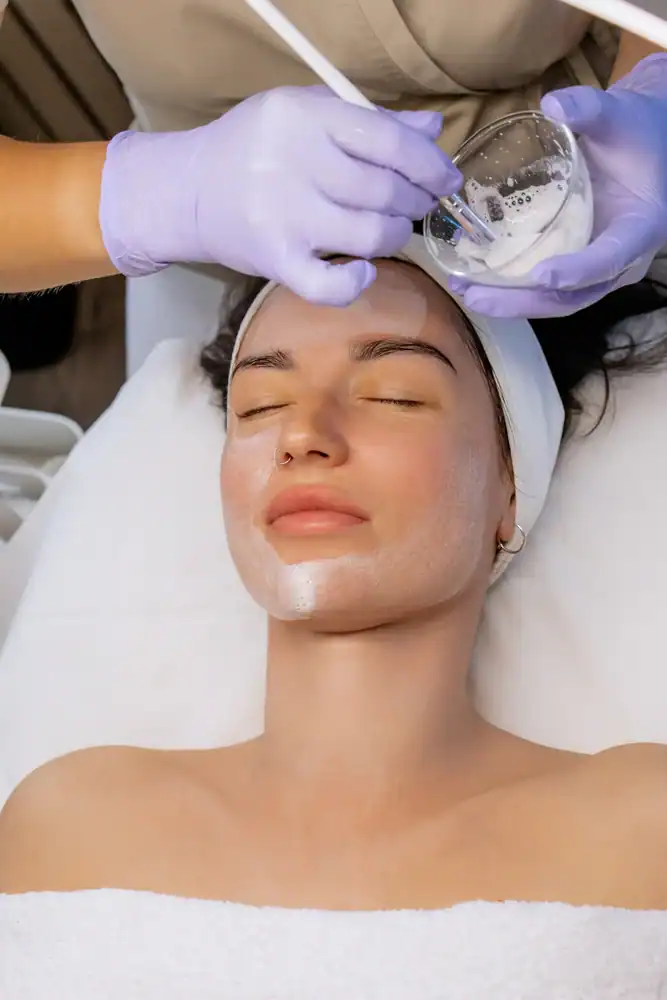
Every facial starts with a skin analysis. Your esthetician examines your skin type, identifies your primary concerns, and selects the appropriate treatment and products for your specific needs.
The treatment itself typically involves several steps, though the exact process depends on which facial you’re receiving. Most begin with a thorough cleanse to remove surface oils, makeup, and impurities. This is followed by exfoliation – either mechanical (like microdermabrasion) or chemical (like a peel) – to remove dead skin cells and reveal fresh skin underneath.
If extractions are needed, this is when they happen. Your esthetician manually removes blackheads, whiteheads, and congestion from your pores. It’s not the most glamorous part, but it’s often the most necessary for people dealing with breakouts or clogged pores.
Next comes the treatment phase. Depending on your facial type, this could involve a HydraFacial’s hydrating serums, a chemical peel’s active ingredients, microneedling to stimulate collagen, or specialized masks. This is where the real work happens – where active ingredients penetrate deeper layers of skin to create actual change.
The session ends with serums, moisturizers, and SPF to protect and nourish your newly treated skin. Most facials take 45-75 minutes. You’ll see immediate improvements in texture and glow, with continued results developing over the following weeks as your skin responds to the treatment.
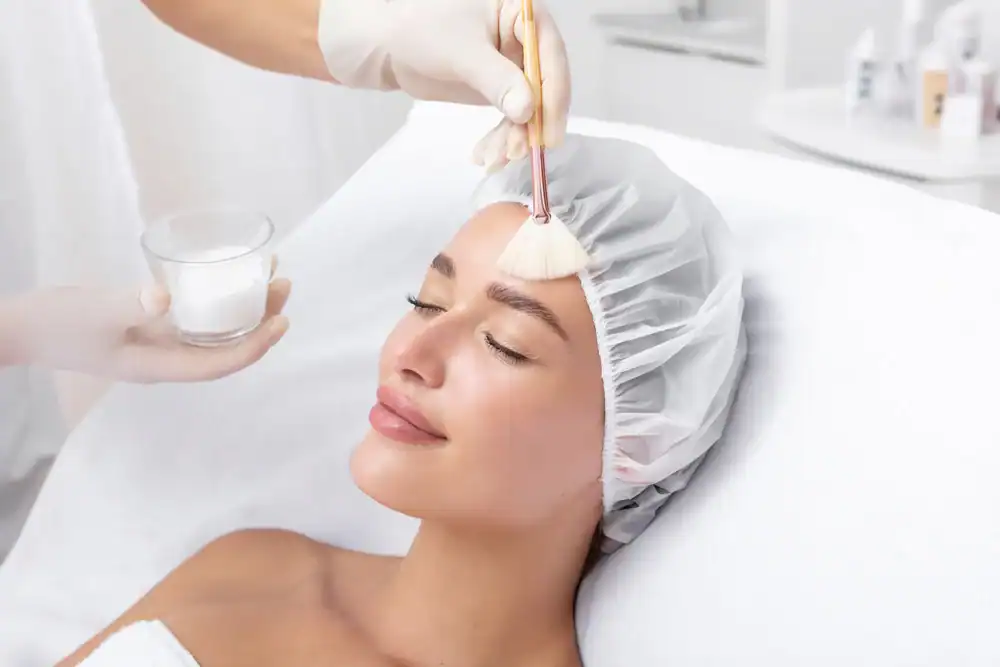
Ready to get started?
We offer multiple facial treatments because different skin issues require different approaches. HydraFacials use patented vortex technology to cleanse, extract, and hydrate simultaneously – ideal if your skin is dehydrated, dull, or congested. There’s no downtime, and results are immediate.
Chemical peels use controlled acids to remove damaged outer layers of skin. They’re effective for sun damage, hyperpigmentation, fine lines, and uneven texture. Depth varies based on your skin’s needs and tolerance. Microdermabrasion mechanically exfoliates using fine crystals, smoothing rough texture and improving product absorption.
For more advanced concerns, treatments like microneedling stimulate your skin’s natural collagen production to improve scarring, deep wrinkles, and skin laxity. Vampire facials combine microneedling with platelet-rich plasma (PRP) from your own blood to accelerate healing and rejuvenation.
Lindenwood residents deal with the same environmental stressors as the rest of New York – pollution, seasonal weather changes, and the aging effects of urban living. Your skin is exposed to subway air, harsh winters that strip moisture, and humid summers that trigger breakouts. The right facial treatment addresses these local realities while targeting your individual concerns.
During your consultation, we’ll recommend a treatment plan based on your skin type, concerns, goals, and schedule. Some people benefit from monthly maintenance facials. Others need a series of treatments spaced weeks apart to address specific issues, then switch to less frequent sessions to maintain results.
Start with a consultation. Your esthetician will examine your skin, ask about your concerns and goals, and assess factors like skin type, sensitivity, and any active issues you’re dealing with.
If your main complaint is dullness and dehydration, a HydraFacial delivers immediate hydration and glow with zero downtime. If you’re targeting sun damage, dark spots, or rough texture, a chemical peel might be more appropriate – though it requires a few days of flaking as your skin renews itself. For acne-prone skin, treatments that focus on deep cleansing and extractions help clear congestion and prevent future breakouts.
Your lifestyle matters too. If you can’t afford any downtime, gentler treatments like HydraFacials or light peels work better than deeper resurfacing options. If you have a specific event coming up, timing matters – some treatments show results immediately while others need weeks to fully develop.
The honest answer is that most people benefit from a combination approach. You might do monthly HydraFacials for maintenance and add a chemical peel quarterly for deeper correction. We’ll map out a realistic plan based on what your skin actually needs and what fits your schedule and budget.
It depends on the treatment. HydraFacials show immediate results – your skin looks clearer, feels smoother, and has a noticeable glow as soon as you walk out. That’s because the treatment deeply cleanses and hydrates in real time.
Chemical peels work differently. You might see some initial brightness, but the real results appear as your skin goes through the peeling process over the next 3-7 days. Once the damaged outer layer sheds, you’re left with fresher, more even-toned skin underneath. Deeper peels can take 10-14 days to fully heal, but the improvement in texture and pigmentation is more dramatic.
Treatments that stimulate collagen – like microneedling or certain laser facials – require patience. Your skin needs time to produce new collagen and rebuild itself. You’ll typically see initial improvements within 2-4 weeks, with continued enhancement over 2-3 months. These treatments are playing the long game, creating structural changes that last.
For most people, one facial creates visible improvement, but a series produces transformation. Your skin didn’t develop texture issues, pigmentation, or fine lines overnight. Reversing that damage takes consistency. Think of it like going to the gym once versus following a regular routine – both help, but one creates lasting change.
Downtime varies based on treatment intensity. Gentler facials like HydraFacials, basic cleansing facials, or light enzyme peels have zero downtime. You can return to work, apply makeup, and go about your day immediately. Your skin might be slightly pink for an hour or two, but nothing that prevents normal activities.
Medium-depth chemical peels require 3-7 days of visible peeling. Your skin will feel tight, look flaky, and shed in patches as the damaged layer comes off. You’ll want to avoid social events during this time and definitely skip makeup until the peeling stops. But once it’s done, your skin looks noticeably clearer and more refined.
Microneedling creates controlled micro-injuries, so your skin will be red and sensitive for 24-48 hours – similar to a mild sunburn. Most people can return to work the next day, though you’ll want to skip intense workouts and direct sun exposure for a few days while your skin heals.
Deep resurfacing treatments like ablative lasers or deep peels can require 1-2 weeks of recovery. These are serious treatments for serious concerns, and they come with serious downtime. We’ll walk you through exactly what to expect and how to care for your skin during recovery.
If you have a wedding, important meeting, or event coming up, mention it during your consultation. We can time your treatment appropriately or recommend options that won’t interfere with your schedule.
Monthly facials are the standard recommendation for maintenance and ongoing skin health. Your skin’s natural cell turnover cycle is about 28-30 days, so monthly treatments align with that rhythm and help keep your skin consistently clear and healthy.
That said, frequency depends on what you’re treating. If you’re dealing with active acne, you might benefit from facials every 2-3 weeks until breakouts are under control, then scale back to monthly maintenance. For anti-aging concerns, some people do monthly HydraFacials and add a chemical peel or microneedling session quarterly for deeper correction.
If you’re just starting out and your skin needs significant correction, we might recommend a series of treatments scheduled closer together – like 3-4 sessions spaced 2-4 weeks apart. This intensive approach creates faster, more noticeable improvement. Once your skin reaches a healthier baseline, you can shift to less frequent maintenance.
Budget and schedule are real factors. If monthly facials aren’t realistic for you, quarterly treatments still provide benefit – especially if you’re maintaining good at-home skincare between sessions. The key is consistency over time, not perfection.
Seasonal facials also make sense for many people. A deeper peel in fall or winter (when sun exposure is lower) can address summer damage. Hydrating facials in winter combat dryness from indoor heating. Your skin’s needs change throughout the year, and your facial schedule can adapt accordingly.
Yes, and the difference is significant. Medical-grade facials are performed in a clinical setting by licensed professionals using prescription-strength products and FDA-approved technology. The active ingredient concentrations are higher, the equipment is more advanced, and treatments are supervised by medical doctors.
A basic spa facial focuses on relaxation and surface-level cleansing. It feels nice, smells good, and gives you an hour of pampering. There’s value in that, but it’s not correcting skin damage or addressing medical-grade concerns like acne, pigmentation disorders, or significant aging.
Medical facials are results-driven. A HydraFacial uses patented technology that simultaneously cleanses, exfoliates, extracts, and infuses medical-grade serums into your skin. A medical-grade chemical peel uses higher concentrations of acids that penetrate deeper and create more dramatic improvement than anything you’d get at a day spa.
The expertise level matters too. Medical estheticians are trained to analyze skin conditions, identify underlying issues, and customize treatments based on clinical assessment – not just what feels good. They can spot skin abnormalities, adjust treatment intensity based on your skin’s response, and work with supervising physicians if concerns arise.
At Dolce Aesthetics NY, all treatments are performed under medical supervision with physician oversight. That means if something doesn’t look right or you have a reaction, there’s a doctor available to address it immediately. Day spas don’t offer that level of medical backup.
If you’re looking for relaxation and light maintenance, a spa facial is fine. If you want to actually change your skin’s condition – clear acne, fade pigmentation, smooth texture, reduce wrinkles – medical-grade treatments deliver results that basic facials simply can’t match.
Show up with a clean face if possible, but don’t stress if you’re coming from work with makeup on – your esthetician will cleanse your skin thoroughly as part of the treatment. The more important preparation happens in the days before your appointment.
Avoid any harsh exfoliation, retinoids, or active ingredients for 3-5 days before your facial, especially if you’re getting a chemical peel or microneedling. Your skin needs to be in a calm, non-irritated state for treatment to be effective and safe. If you’ve been using prescription retinoids, mention this during your consultation – you may need to stop them a week before certain treatments.
Don’t get waxed, threaded, or have any other hair removal on your face for at least 48 hours before your appointment. These services can irritate skin and increase sensitivity during your facial. Same goes for sunburns – if your skin is actively burned or peeling from sun exposure, reschedule your appointment until it’s healed.
If you’re getting a deeper treatment like a medium peel or microneedling, avoid alcohol and blood-thinning medications (like aspirin or ibuprofen) for 24 hours before if possible. These can increase sensitivity and bruising. Always check with your doctor before stopping any prescribed medications.
Come prepared to discuss your current skincare routine, any medications you’re taking, and your specific concerns and goals. The more your esthetician knows about your skin history, the better they can customize your treatment. And if you have a specific event or timeline in mind, mention it upfront so we can plan accordingly.
Other Services we provide in Lindenwood